Last updated November 23, 2026
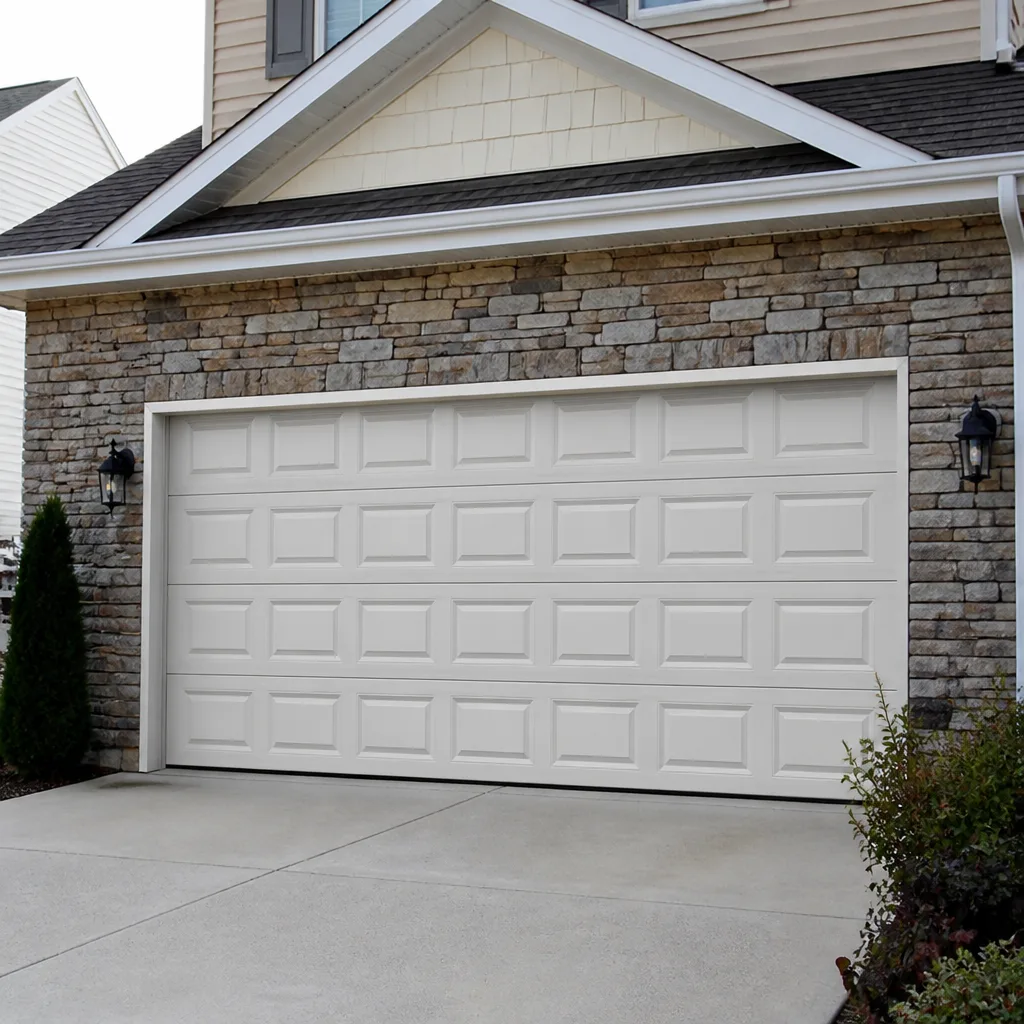 Raised-panel steel
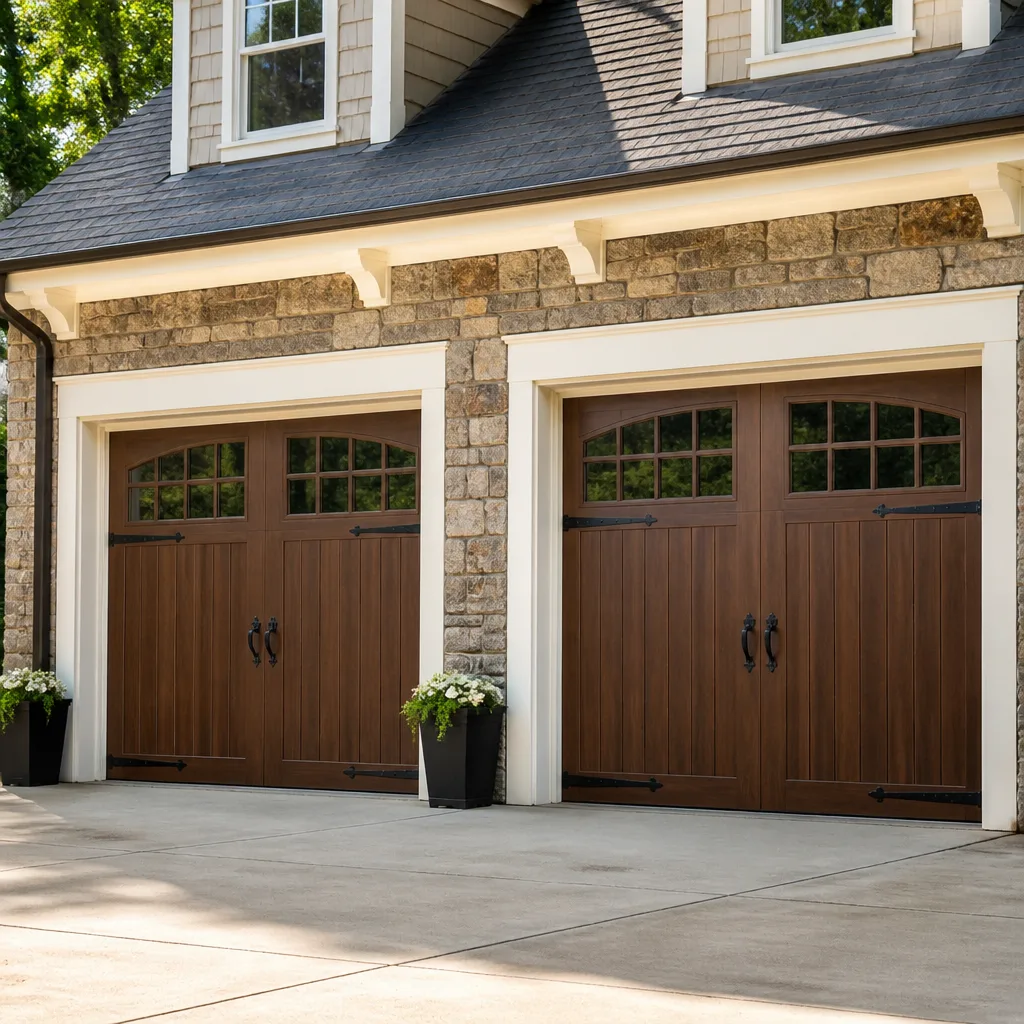 Carriage house
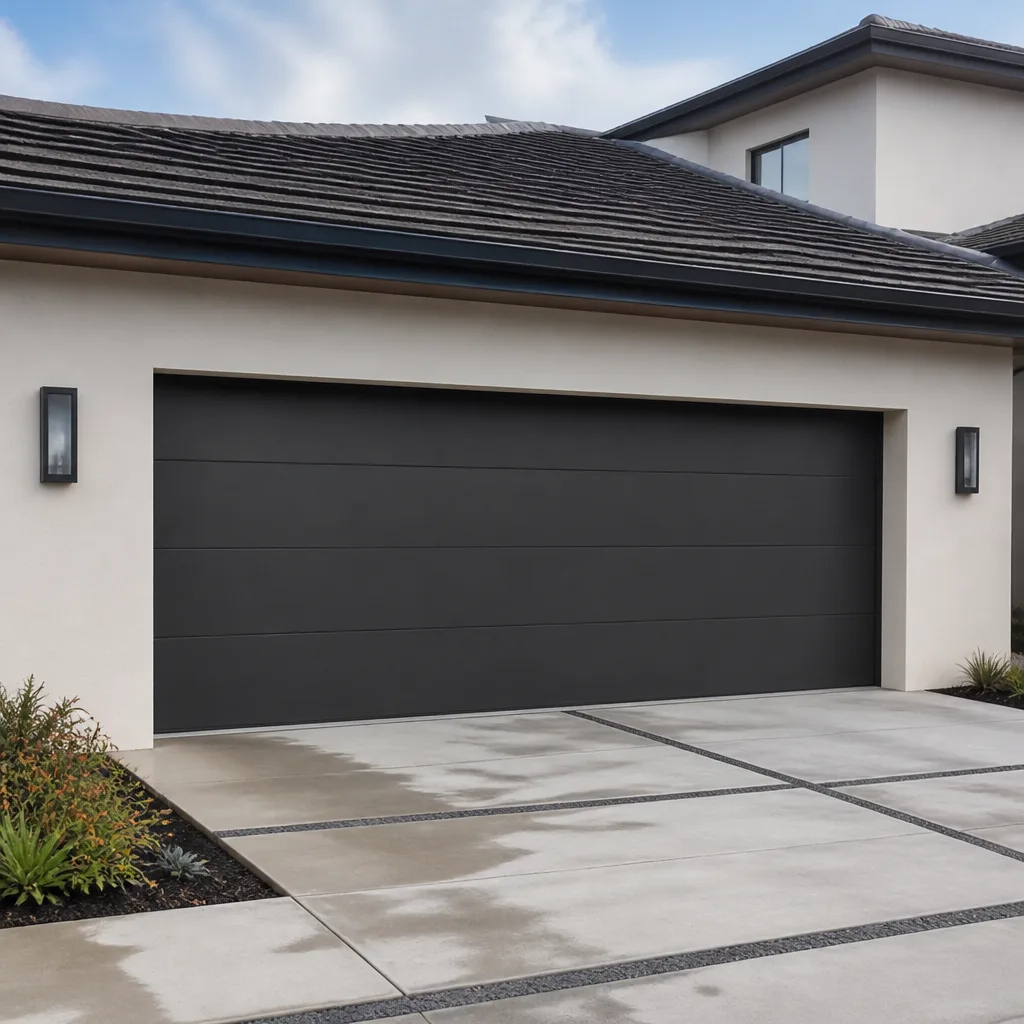 Modern flush
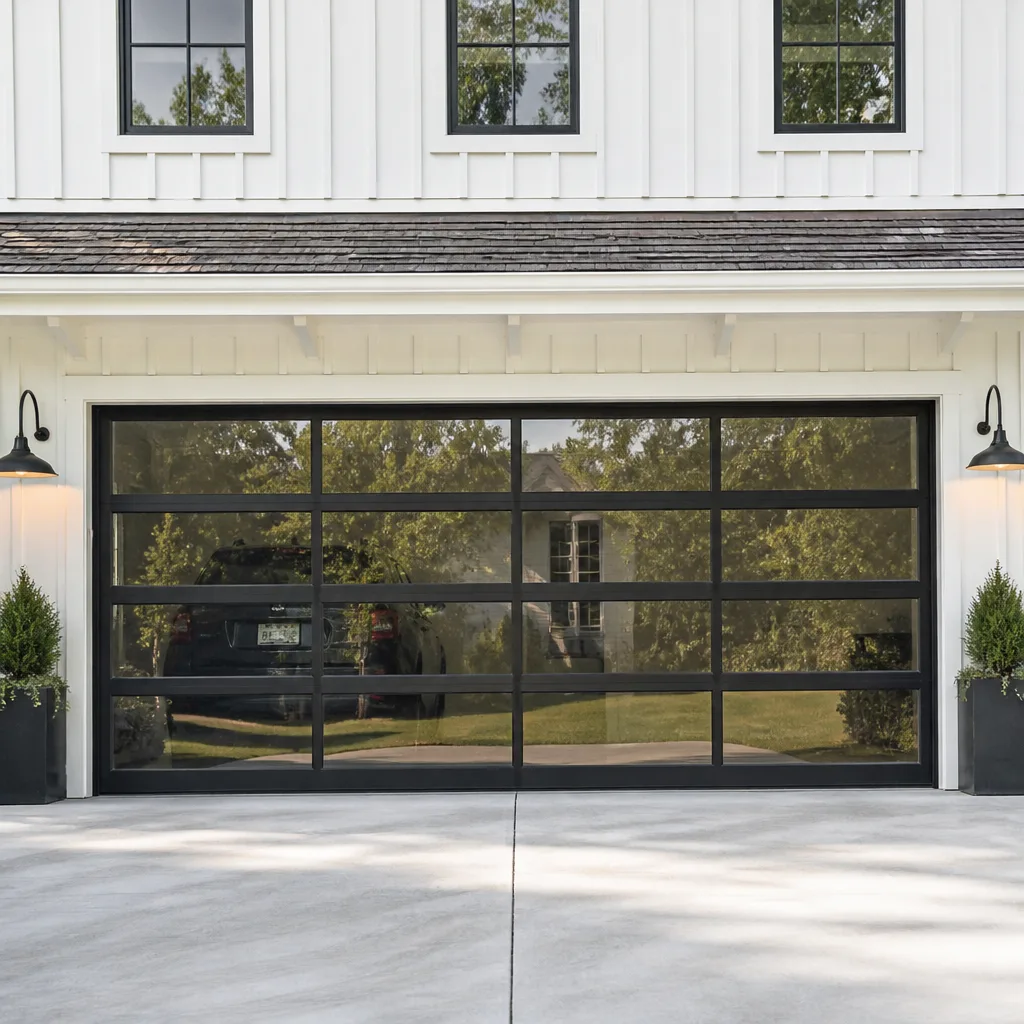 Full-view glass
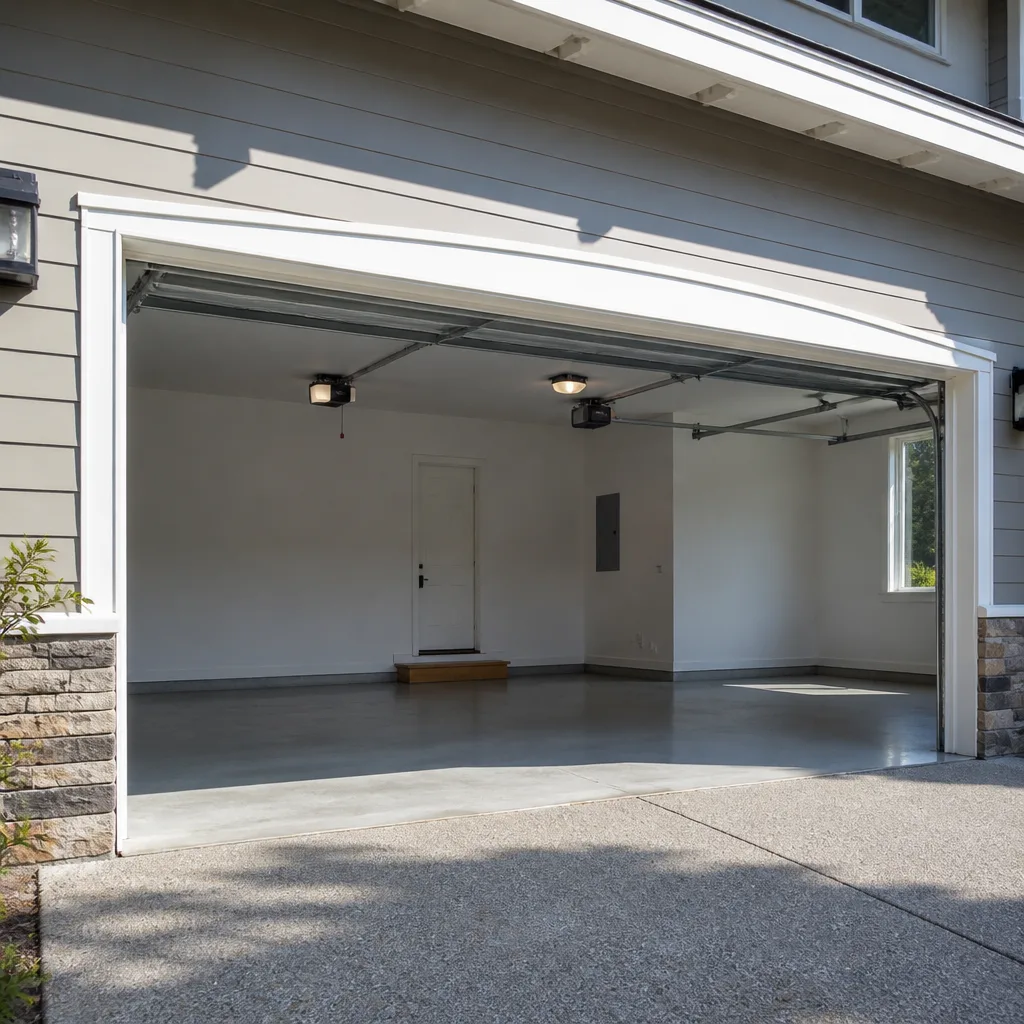 LiftMaster openers
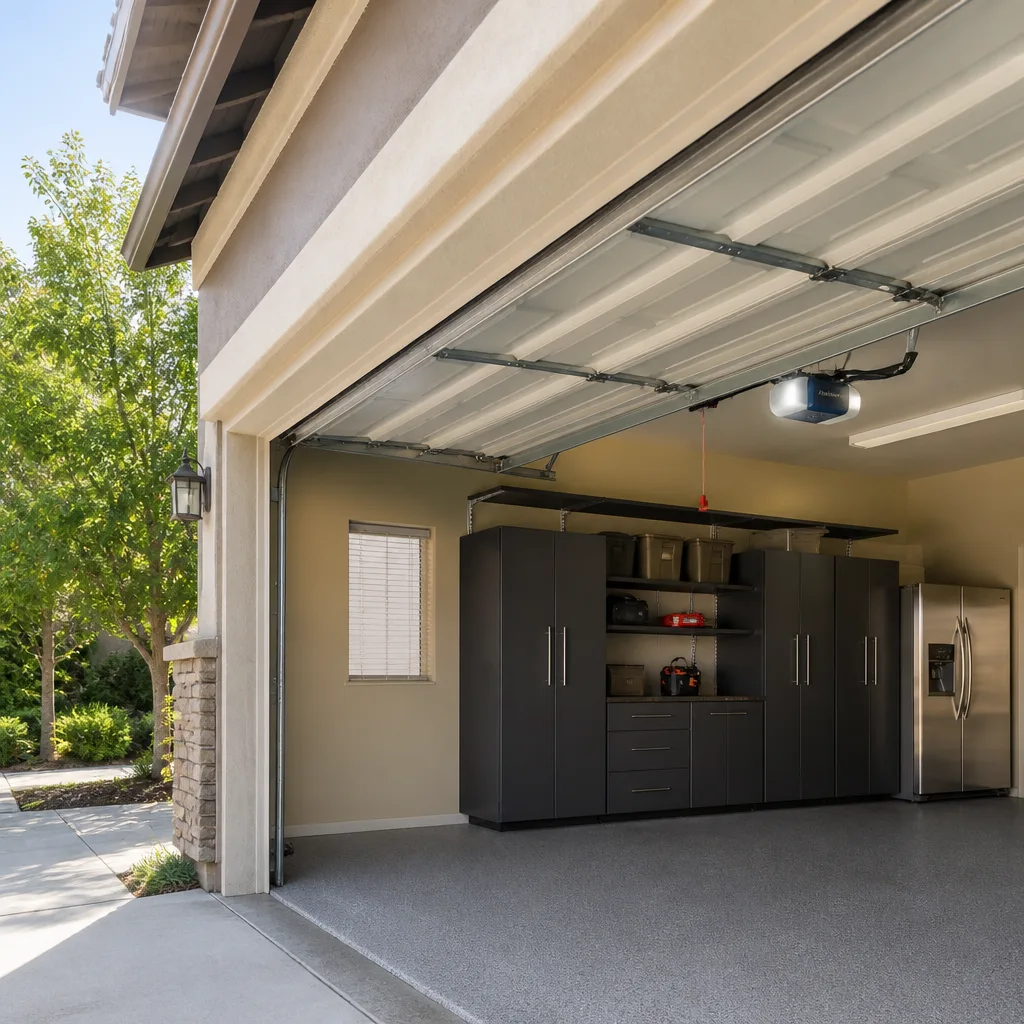 Chamberlain openers
Full 25-point door and opener safety check with every visit - springs, cables, rollers, tracks, and your LiftMaster or Chamberlain opener included
You get a price before we start. It does not change when the pro arrives.
Get your free estimateGarage Door Emergency Preparedness Guide for Edmonds Homes
Most garage door emergencies aren’t mechanical. They start with a power line down across the street, a tripped breaker, or a windstorm that takes the grid out for six hours. During a Puget Sound windstorm, your garage door opener loses power, and if you’ve never manually released the door, you’re about to learn how in the dark, in the rain, with somewhere to be. The door isn’t broken. You just don’t have a plan for it yet.
This guide is that plan. It covers the two kinds of garage door emergencies that hit Edmonds homes, the release sequence for the most common openers in this city, what a broken spring actually requires, and the exact details to give a dispatcher so the first technician who shows up has the right parts. Read it once now, while nothing is wrong, and you won’t be reading it by flashlight.
Quick Answer
A garage door emergency in Edmonds falls into one of two buckets: a mechanical failure (broken spring, snapped cable, off-track door, dead opener motor) or a power failure during a wind or storm event. Mechanical failures need a garage door specialist and should never be forced by hand; power failures are usually solved with the manual release cord and, on newer openers, a battery backup. Knowing which one you’re dealing with in the first sixty seconds is what keeps the situation small.
Styles & brands we work with
- Raised-panel steel
- Carriage house
- Modern flush
- Full-view glass
- LiftMaster openers
- Chamberlain openers
Table of Contents
- The Two Kinds of Garage Door Emergencies in Edmonds
- How to Manually Release Your Door: Five Common Openers
- When a Spring Breaks Mid-Cycle: What to Do and What Not to Touch
- Power Outage Protocol: Battery Backup and Re-Engagement
- How to Secure a Door That Won’t Close
- Who to Call and Exactly What to Tell Them
- Building a Garage Door Emergency Kit
- Common Mistakes to Avoid
- When to Call a Professional
- Frequently Asked Questions
The Two Kinds of Garage Door Emergencies in Edmonds
The distinction matters because the response is completely different, and homeowners who skip it tend to make the situation worse. A mechanical failure has a broken part. A power failure doesn’t. Treating one as the other is how doors get bent, springs get stretched, and an easy fix becomes a full replacement.
Mechanical failures
These are physical breakdowns in the door system itself. The most common in Edmonds homes:
- Broken torsion or extension spring. Usually announced by a loud bang from the garage. The door becomes dangerously heavy and won’t lift more than a few inches.
- Snapped lift cable. The door drops on one side and binds in the track. Often follows a worn spring that ran too long.
- Door off track. A roller pops out, or a panel gets bent, and the door jams at an angle.
- Dead opener motor or stripped gear. The motor runs but the door doesn’t move, or you get nothing at all when you press the remote.
- Broken hinges or worn rollers. Less sudden, but a hinge that fails mid-travel can send the door crooked.
A mechanical failure requires a garage door specialist, not a general handyman. Springs and cables are under extreme tension and are the single most dangerous component in the system. More on that below.
Power-related failures
These happen when the door and opener are fine but the electricity isn’t. Puget Sound wind events knock out power in Edmonds regularly, and older neighborhoods with overhead lines see it first. A power failure means:
- The opener has no power, so the remote and wall button do nothing.
- The door is still fully functional, just disconnected from its motor.
- You need the manual release to get the door up.
If you have a newer opener with a battery backup (LiftMaster and Chamberlain units commonly have this), the door will still run for a limited number of cycles even with the grid down. That’s the single best preparedness investment most Edmonds homeowners can make. If your opener doesn’t have it, the manual release is your fallback, and it’s worth practicing once before you need it.
How to Manually Release Your Door: Five Common Openers
Every residential opener has a manual release, and the concept is the same across brands: a cord or lever that disconnects the door from the opener’s trolley so you can lift it by hand. The difference is where it lives and how it engages, and that’s where people get stuck. The most common error is pulling the release while the door is already partway up or under tension, which can send the trolley slamming or leave the door locked in position.
The universal rule before you pull anything
- Close the door fully first if it’s open. The release is designed to be pulled with the door down.
- Stand clear of the door path. Don’t stand under it.
- Pull the release cord straight down and toward the door, not sideways.
- Lift slowly with two hands and feel for resistance. If it won’t move, stop.
By opener brand
Here’s how the release works on the models most often installed in Edmonds homes:
- LiftMaster and Chamberlain. Both use a red or black T-handle cord hanging from the trolley. Pull straight down to disengage. On models with a battery backup, the opener may try to re-engage automatically if power returns while you’re working, so pull the release fully and listen for the click.
- Craftsman. Similar cord-and-trolley setup. The catch is older Craftsman units where the release lever has a small locking tab; if the tab is engaged, the cord pulls but the trolley doesn’t release. Check the tab before you assume the release is broken.
- Genie. Genie uses a manual release cord on the carriage, and on some screw-drive models the release is a lever near the rail rather than a hanging cord. Look along the rail, not just at the trolley.
- Wayne Dalton. Wayne Dalton’s iDrive and newer models sometimes route the release differently; check the owner’s manual if the cord isn’t obvious. If you can’t find the release, don’t force anything.
The specific error that traps the door in the locked position is pulling the release while the door is already partially open, or pulling it sideways so the trolley re-engages on the wrong side of the latch. If the door is stuck and won’t lift after you’ve pulled the cord, don’t keep yanking. That’s a sign the trolley didn’t fully disconnect, and it needs eyes on it. Our garage door opener repair specialists can walk you through it over the phone or come out to reset the carriage.
Once the door is released, lift it by hand to about waist height and let it rest. If it won’t stay up, the springs may be weak or broken, which is the next section.
When a Spring Breaks Mid-Cycle: What to Do and What Not to Touch
A broken spring is the most dangerous garage door failure, and it’s the one homeowners most often try to handle themselves. A torsion spring under load stores enough energy to cause serious injury. When it snaps, that energy releases instantly. The loud bang you hear is the spring letting go, and the door becomes dramatically heavier than the opener was ever designed to lift.
Immediate safety steps
- Stop pressing the opener button. Every cycle strains the motor and the remaining spring.
- Keep everyone, especially children, away from the door. Don’t let anyone walk under it.
- Don’t try to lift the door by hand alone. A door with a broken spring can weigh far more than you expect.
- Don’t touch the spring, the cables, or the winding bars. These are the components under tension.
- Call a garage door specialist. Spring replacement is a routine job for a specialist and a serious risk for anyone else.
If you must move the door to free a car
Sometimes you need the car out. If the door is on a track and the springs are intact enough to hold some weight, two people can lift it together, one on each side, slowly and evenly, and prop it open with a sturdy brace before anyone walks under it. Never do this alone, and never do it if the door is visibly crooked or a cable is loose. If it won’t lift smoothly with two people, stop and call for help. The car can wait; a crushed hand or a dropped door can’t.
Spring replacement done safely is exactly the kind of job that separates a garage door specialist from a general handyman. Many handymen decline it or subcontract it out. We handle it as a routine specialty. Our garage door spring repair team replaces torsion and extension springs and checks the cables, rollers, and hinges while they’re in there, because a snapped spring usually means the rest of the system has been working hard too.
If your door is a Clopay or Amarr model with a heavier insulated panel, the springs are sized differently and the door is heavier still. That’s a case where brand familiarity matters: the technician needs to match the spring to the door’s actual weight, not guess.
Power Outage Protocol: Battery Backup and Re-Engagement
Power outages are the most common garage door “emergency” in Edmonds, and they’re the most preventable. A storm takes the grid down, the opener goes dead, and the car is trapped inside. The fix is either a battery backup or a practiced manual release. Here’s the full protocol.
If your opener has a battery backup
LiftMaster and Chamberlain openers with battery backup will keep the door working for a limited number of cycles after the power drops. To confirm yours is working:
- Check the battery indicator on the opener or wall control. Most show a status light.
- Test the door once after the power goes out, using the wall button rather than the remote; the remote receiver may be off even when the battery is good.
- Replace the backup battery on a schedule. These batteries have a service life and lose capacity quietly. If you can’t remember the last time it was changed, it’s due.
If your opener has no battery backup
You’ll use the manual release, covered in the section above. Pull the cord with the door closed, lift by hand, and prop the door open only if you need the car. Otherwise leave it down and wait for power to return; a down door is also a secured door.
Re-engaging after power returns
This is where people get it wrong. When the power comes back:
- Close the door fully by hand first if you opened it manually. The trolley needs to be in its home position.
- Press the wall button once and listen for the opener to run a short cycle and re-engage the carriage. You’ll hear a click as the trolley reconnects.
- Test the safety reverse. Put a small object in the door’s path and press the button to close. The door should reverse on contact. If it doesn’t, stop using the opener and call for service.
- Reset the travel limits if the door stops short or reverses on its own. Some openers need the limits re-taught after a manual cycle.
If the door runs but the trolley never re-engages, the carriage may be stuck on the wrong side of the latch. That’s a five-minute fix for a specialist and a frustrating hour for a homeowner. Our garage door repair technicians handle this regularly after wind events in Edmonds.
How to Secure a Door That Won’t Close
A garage door that won’t close is a security problem, and in Edmonds a storm that leaves you with an open door is also a rain problem. If the opener is dead or the door is stuck partway, here’s how to secure it before help arrives.
Manual lock bar
Most garage doors have a manual slide lock on one or both sides of the door, usually near the middle or bottom panel. It’s a sliding bolt that engages a track-mounted receiver. To lock the door manually:
- Lower the door by hand as far as it will go.
- Slide the lock bar into the track on each side until it seats. This physically blocks the door from being lifted.
- Add a brace if the door is heavy or the lock bar is missing: a length of wood wedged under the bottom panel, or a C-clamp on the track just above a roller.
Never rely on the opener’s lock feature alone during an outage; it’s electronic and won’t hold without power. A manual bar or brace is what actually secures the door.
If there’s no lock bar
Some doors don’t have one, especially newer models with an opener-integrated lock. In that case, a pair of locking pliers clamped onto the track above a roller will hold the door from the inside. It’s not elegant, but it works until a specialist arrives. And if the door is stuck open and the garage connects to the house, close and lock the interior door and treat the garage as unsecured until the door is fixed.
Who to Call and Exactly What to Tell Them
The difference between a one-trip fix and a two-trip fix is usually the information given on the call. A dispatcher who knows the door brand, opener brand, and failure mode can send the right technician with the right parts the first time. Here’s what to have ready.
What the dispatcher needs
- Door brand and approximate age. “Clopay, about ten years old” tells us a lot about the spring type and panel construction.
- Opener brand and model if you can find it. The label is usually on the back or side of the motor housing. LiftMaster, Chamberlain, Genie, and Craftsman each have different release and carriage designs.
- What happened. Loud bang? Door came down crooked? Opener runs but door doesn’t move? Power out? Each points to a different diagnosis.
- Is the door up, down, or stuck partway? This determines whether it’s a security call or a convenience call.
- Is a car trapped inside? That changes the priority.
- Your address and whether the garage is accessible from the driveway or blocked.
What to expect
For a broken spring or off-track door, a specialist will want to see it before quoting. For a power-related issue, many problems can be diagnosed over the phone. Either way, the price is quoted and agreed before any work starts. We give free estimates, up-front pricing, and a written price before the technician touches the door. If the situation is urgent, our emergency garage door service is a standing offering, not an afterthought; call (844) 651-9427 and we’ll get a specialist scheduled. Our technicians have up to 8 years of experience, and they’ve seen every brand and failure mode this trade produces.
Building a Garage Door Emergency Kit
The best time to prepare is before the storm. A small kit in the garage turns a two-hour ordeal into a five-minute inconvenience. Here’s what to keep together.
- A printed copy of your opener manual. Not a digital one. During a power outage you may not have internet, and the manual tells you exactly where the release is for your model.
- A battery backup for your opener if it supports one. LiftMaster and Chamberlain units commonly do. This is the highest-value single item on the list.
- A flashlight with fresh batteries stored in the garage, not in the house.
- A sturdy brace or length of 2×4 to prop the door if you need to move it by hand.
- Locking pliers for securing the track if there’s no manual lock bar.
- A note with your door and opener brands and the number for a garage door specialist, so you’re not looking it up in the dark.
None of this is expensive, and all of it is useful. The battery backup alone prevents most of the emergencies that send people searching for help at the worst possible moment.
Common Mistakes to Avoid
- Pulling the manual release while the door is open. The release is designed to be pulled with the door down. Pull it with the door up and the trolley can slam or lock in the wrong position, trapping the door. Close it first.
- Trying to lift a door with a broken spring by hand alone. The door can weigh several times what it normally does. Two people, slowly, or call for help. Never alone.
- Pressing the opener repeatedly after a spring snaps. Every cycle strains the motor and the remaining spring. Stop pressing and call.
- Touching the spring or cables to “see what’s wrong.” These are under extreme tension. This is the single most common way homeowners get hurt. Leave them to a specialist.
- Assuming a dead opener means a broken door. In a windstorm, it usually means a dead outlet or a tripped breaker. Check the power first, then the release.
- Forgetting to test the safety reverse after re-engagement. A door that re-engages without its limits reset can fail to reverse on contact. Test it every time.
- Calling a general handyman for a spring or cable job. Many decline it or subcontract it out. A garage door specialist handles it as routine work, and the safety difference is real.
When to Call a Professional
Call a garage door specialist any time the problem involves a broken spring, a loose or snapped cable, a door off its track, or a door that won’t stay up when you lift it. These are the jobs where the danger is real and the fix requires the right parts and the right training. Call as well if the opener runs but the door doesn’t move, if the door reverses on its own, or if the safety reverse fails the test. For a power outage, try the manual release first; if the door won’t lift smoothly by hand with two people, that’s a call. If the door is stuck open and you can’t secure it, call before nightfall.
Edmonds Garage Door Repair Pros offers free estimates in Edmonds. We work on LiftMaster, Chamberlain, Genie, Clopay, Amarr, Wayne Dalton, Craftsman, and Raynor equipment, and we handle emergency calls, opener repair, spring replacement, and full installation. Call (844) 651-9427.
Frequently Asked Questions
Use the manual release cord with the door closed, lift the door by hand to about waist height, and prop it open with a sturdy brace before driving out. If your opener has a battery backup, the door may still run on battery power and you won’t need the manual release at all. Call (844) 651-9427 if the release won’t engage.
Stop using the opener, keep everyone away from the door, and don’t touch the spring or cables. A broken spring is under extreme tension and the door becomes dangerously heavy. Call a garage door specialist; spring replacement is routine for them and risky for anyone else. Our Edmonds spring team can schedule a visit and quote the job before any work starts.
Yes, if the springs are intact. Pull the manual release cord straight down with the door closed, then lift the door slowly with two hands. If it won’t lift smoothly or won’t stay up, the springs may be worn or broken, and you should call for service rather than force it.
Lower it by hand as far as it will go and slide the manual lock bar into the track on each side. If there’s no lock bar, clamp locking pliers onto the track above a roller. Close and lock the interior door to the house until a specialist arrives.
Only if it has a battery backup. LiftMaster and Chamberlain openers commonly support one, and it keeps the door running for a limited number of cycles. Without it, you’ll need the manual release. Test the backup once a season and replace the battery on a schedule.
Usually not. A power outage is solved with the manual release or the battery backup. Call a specialist if the door won’t re-engage after power returns, if the trolley is stuck, or if the safety reverse fails. Those are mechanical or electronic issues that need a trained eye. Call (844) 651-9427 for a free estimate.
The Bottom Line
Garage door emergencies in Edmonds come in two forms, and the response depends on which one you’re facing. Mechanical failures (broken springs, snapped cables, off-track doors) need a specialist and should never be forced by hand. Power failures are usually solved with the manual release and, ideally, a battery backup installed before the next windstorm. Practice the release once now, keep a small kit in the garage, know your door and opener brands, and you’ll turn a dark, rainy emergency into a five-minute fix. When the job is beyond a release cord, a garage door specialist handles it safely and quotes the price before starting.
From a stuck door to a full installation, Edmonds Garage Door Repair Pros covers the complete lifecycle: emergency service, opener repair, spring replacement, and new-door installation. We’re a garage door specialist, and every tool and every technician is focused on this one trade. Call (844) 651-9427 for a free estimate in Edmonds.
Written by the team at Edmonds Garage Door Repair Pros.
Ready to get your door working again? Start with our Edmonds Garage Door Repair Pros homepage, then call (844) 651-9427 to book a free estimate. Same-day service is available for urgent repairs, fast dispatch runs from 7am to 7pm, and the price is quoted and agreed before any work starts.
See the difference
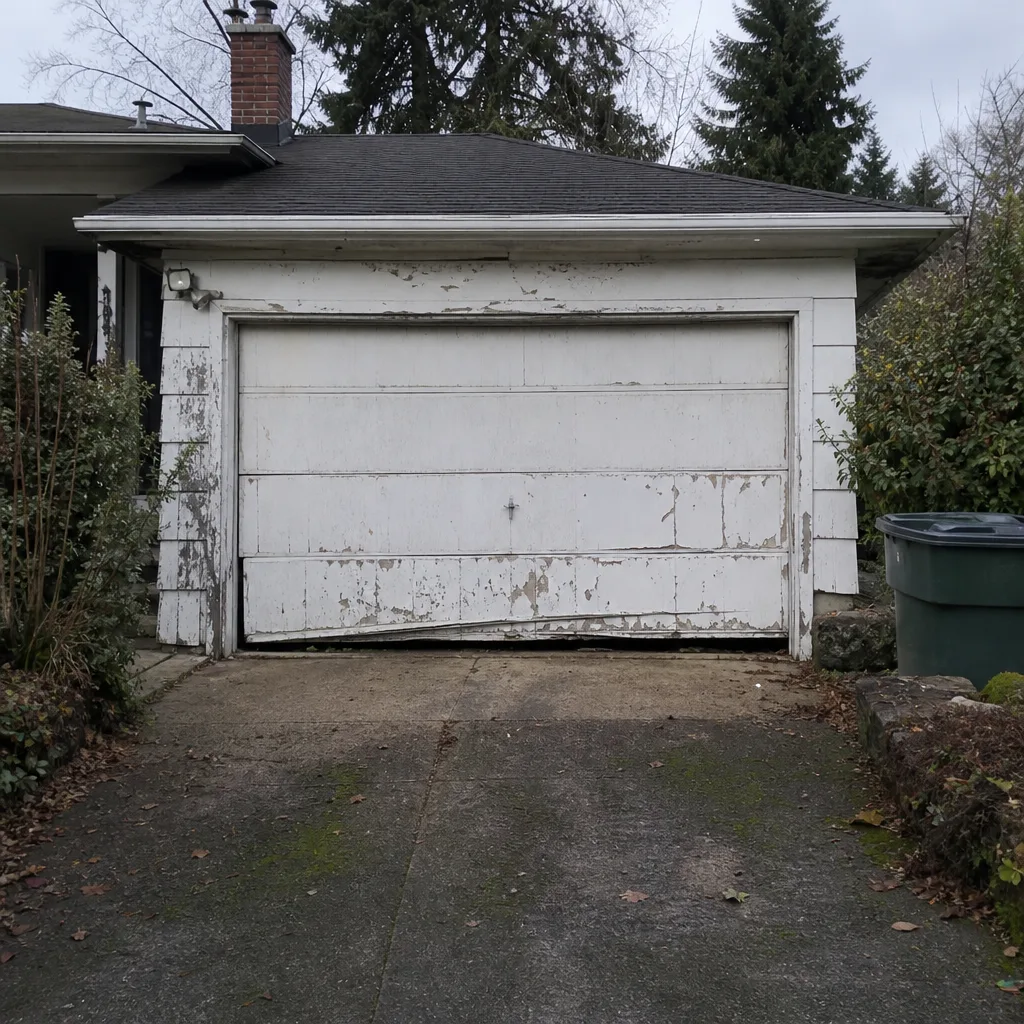 Before
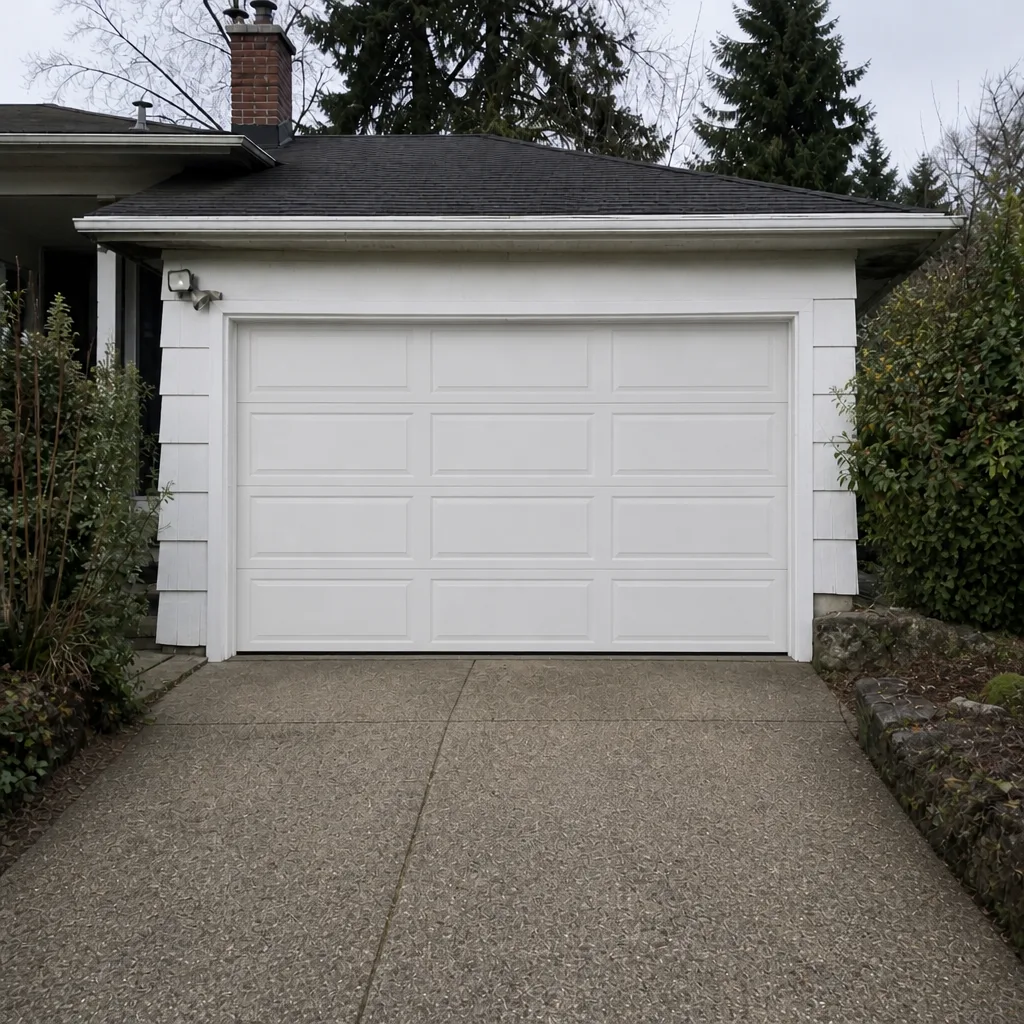 After
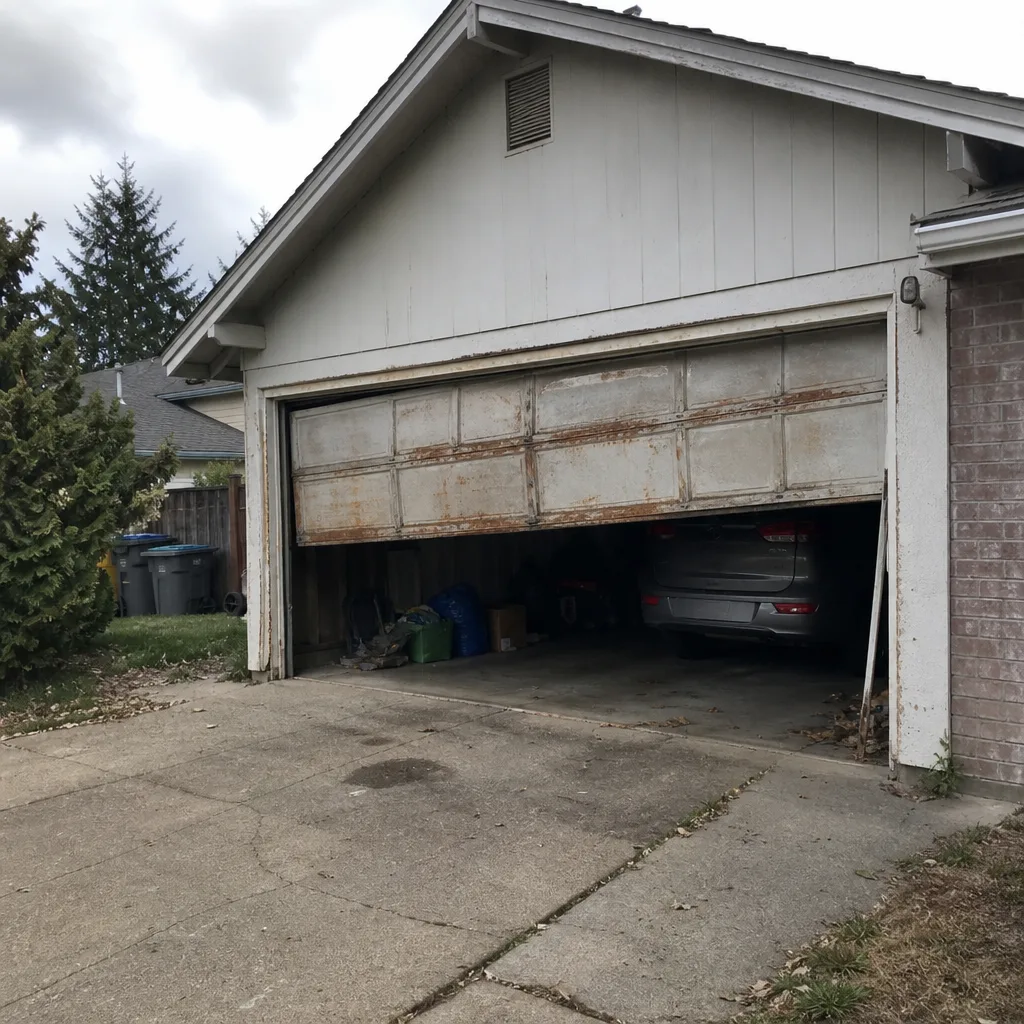 Before
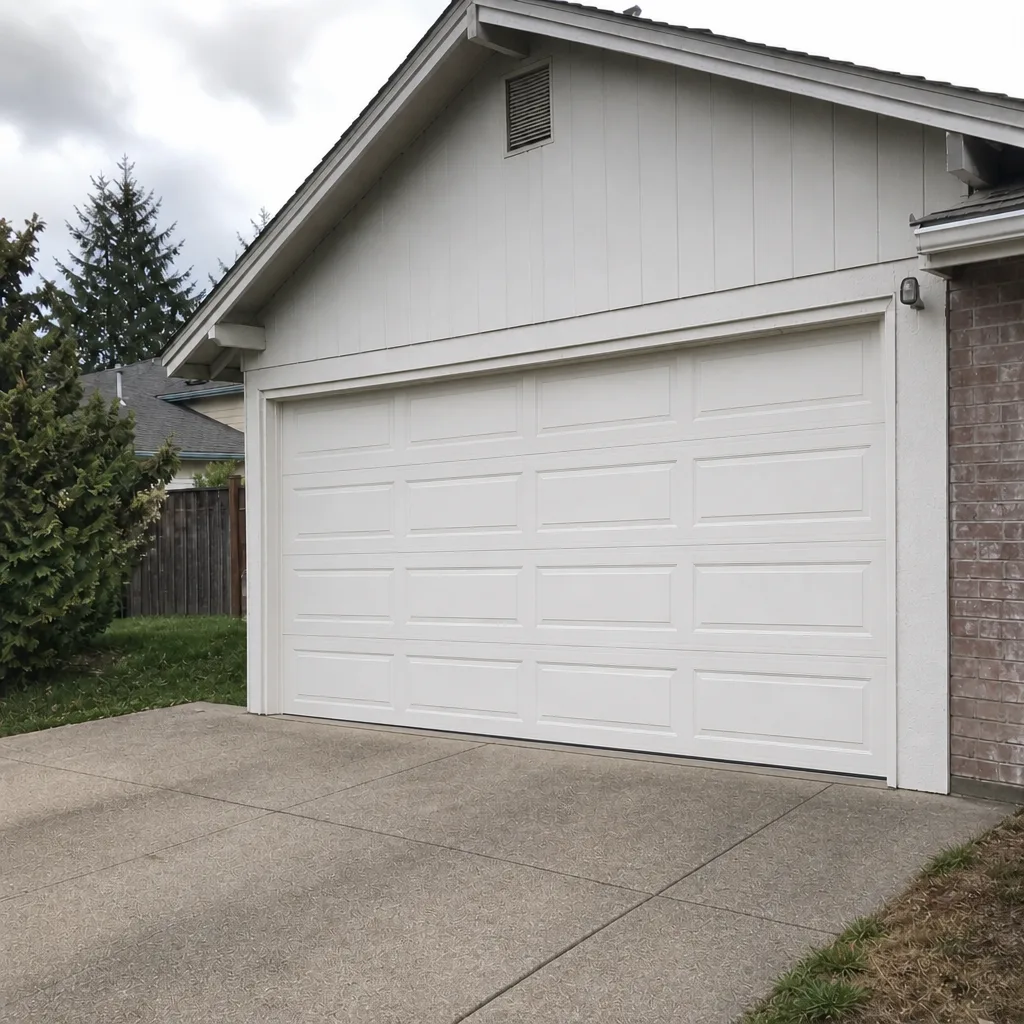 After
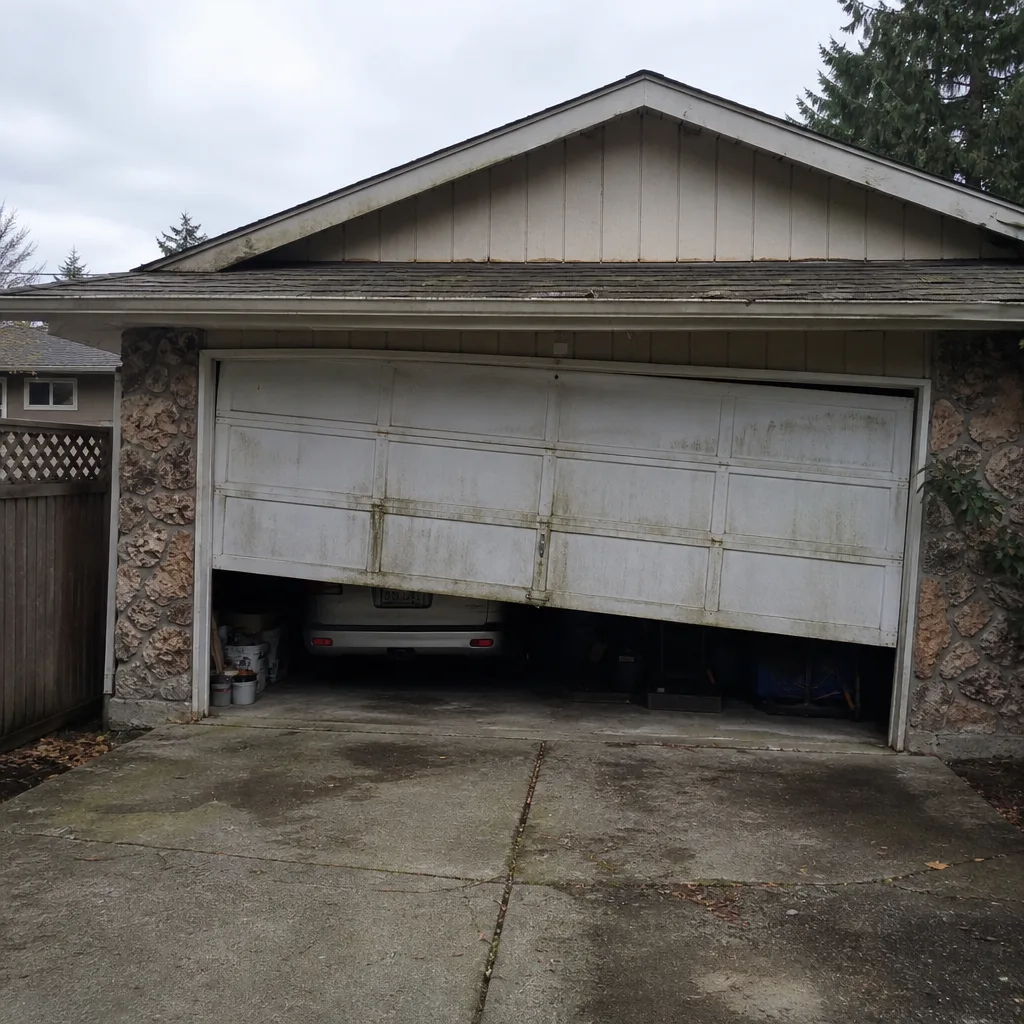 Before
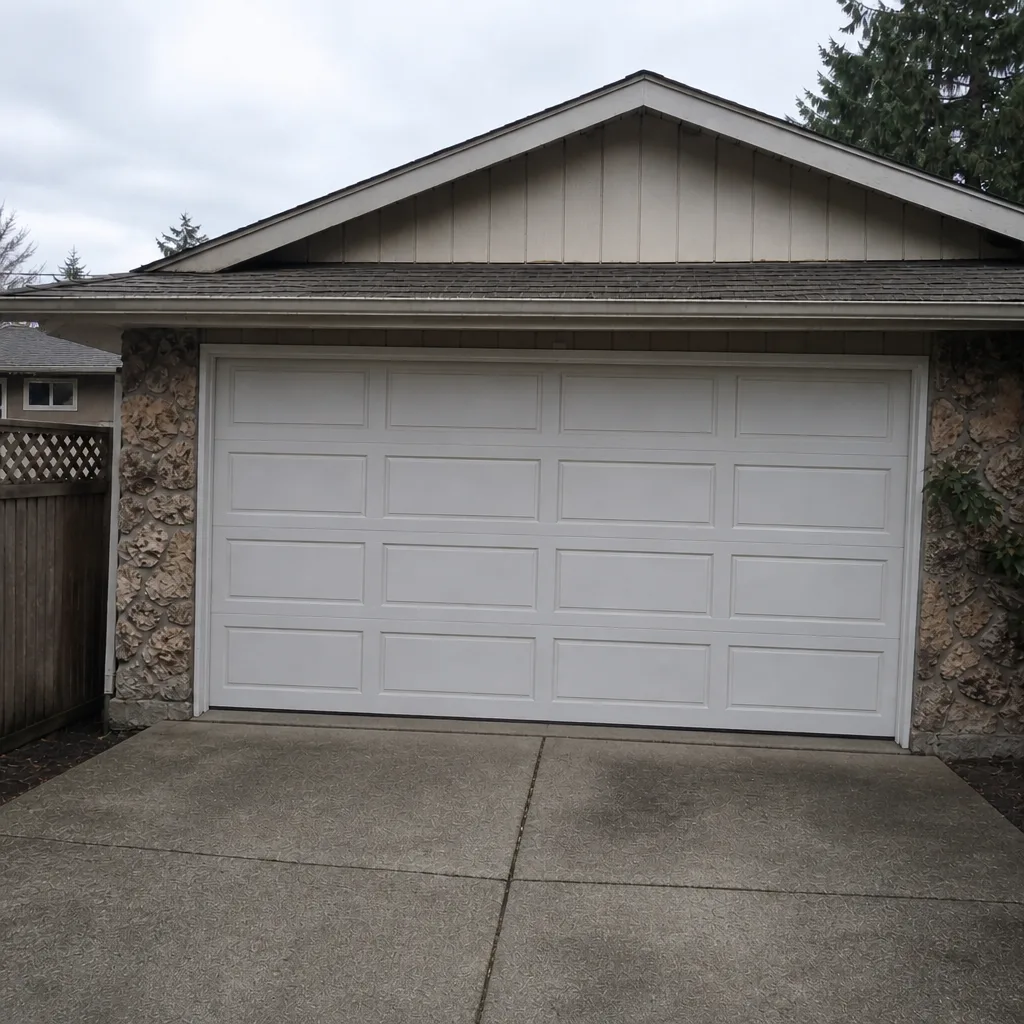 After