Last updated November 23, 2026
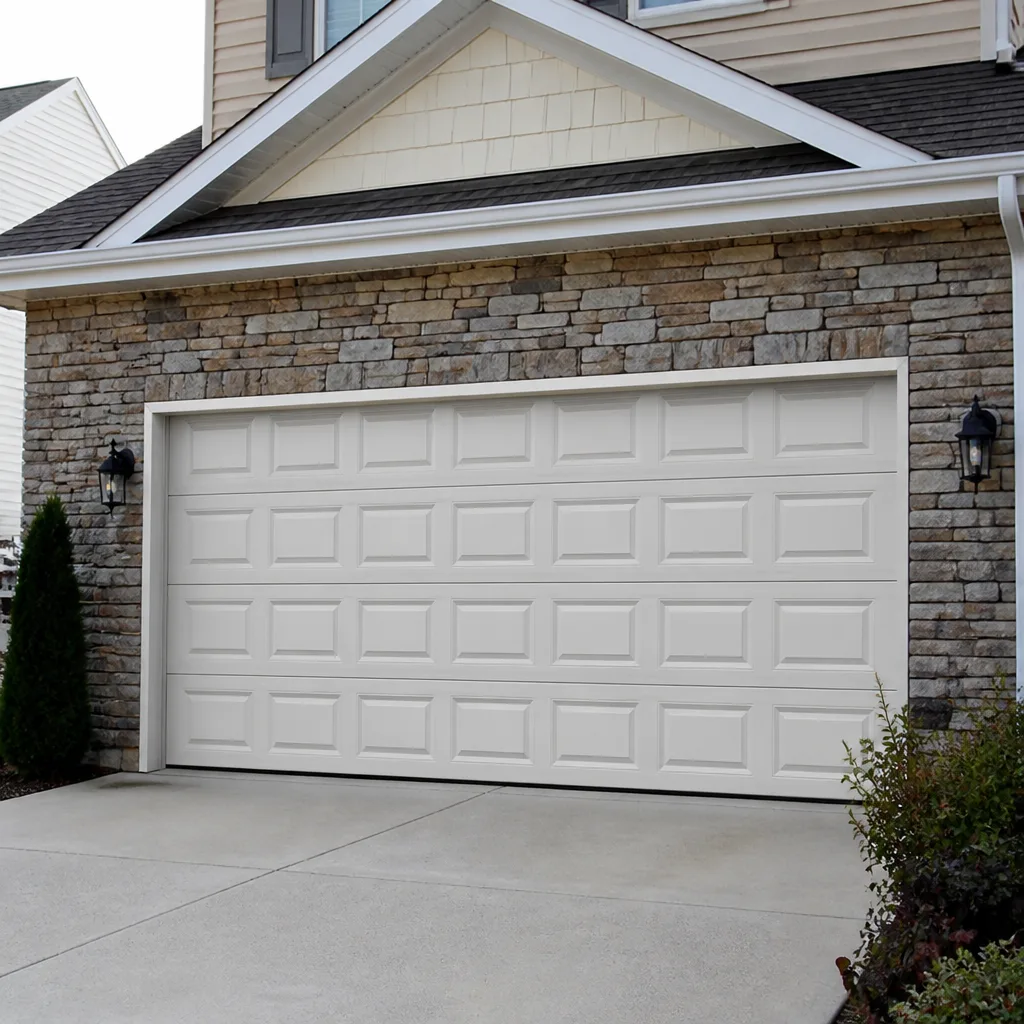 Raised-panel steel
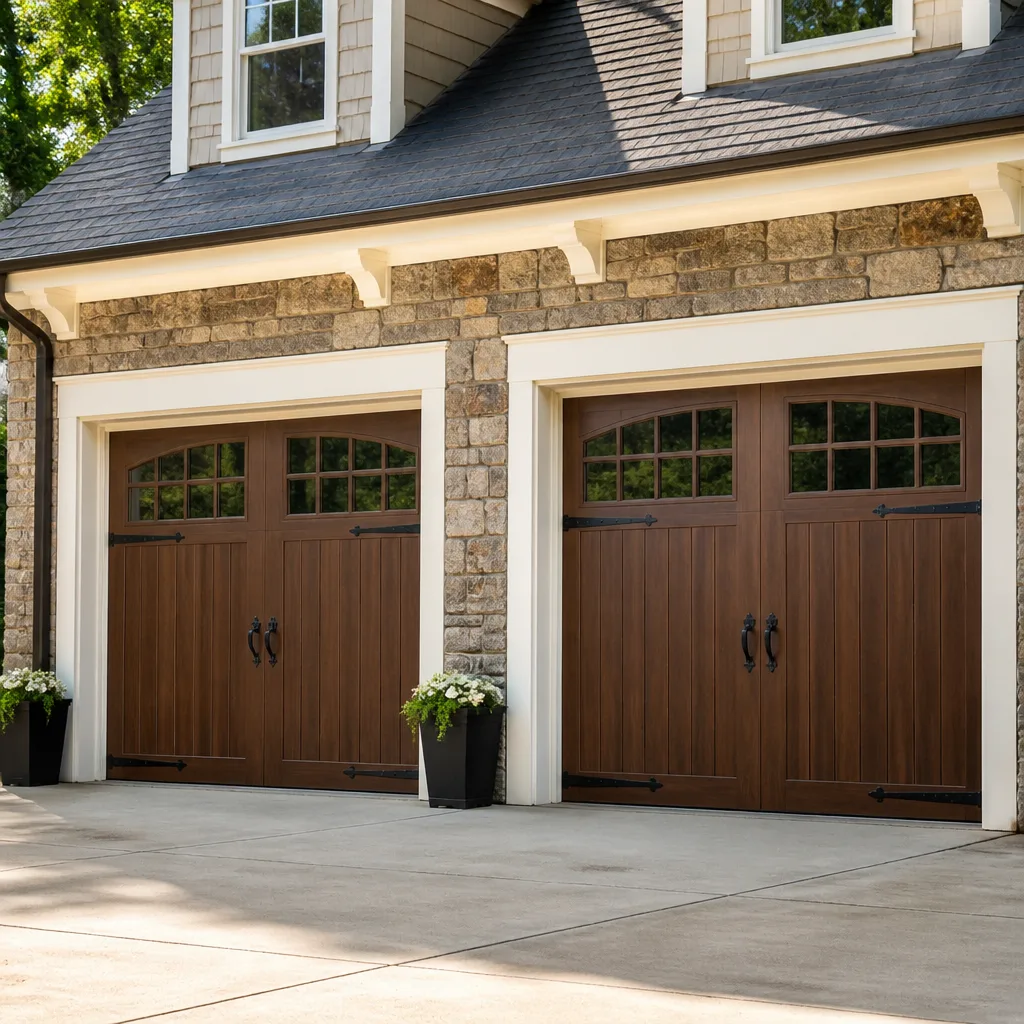 Carriage house
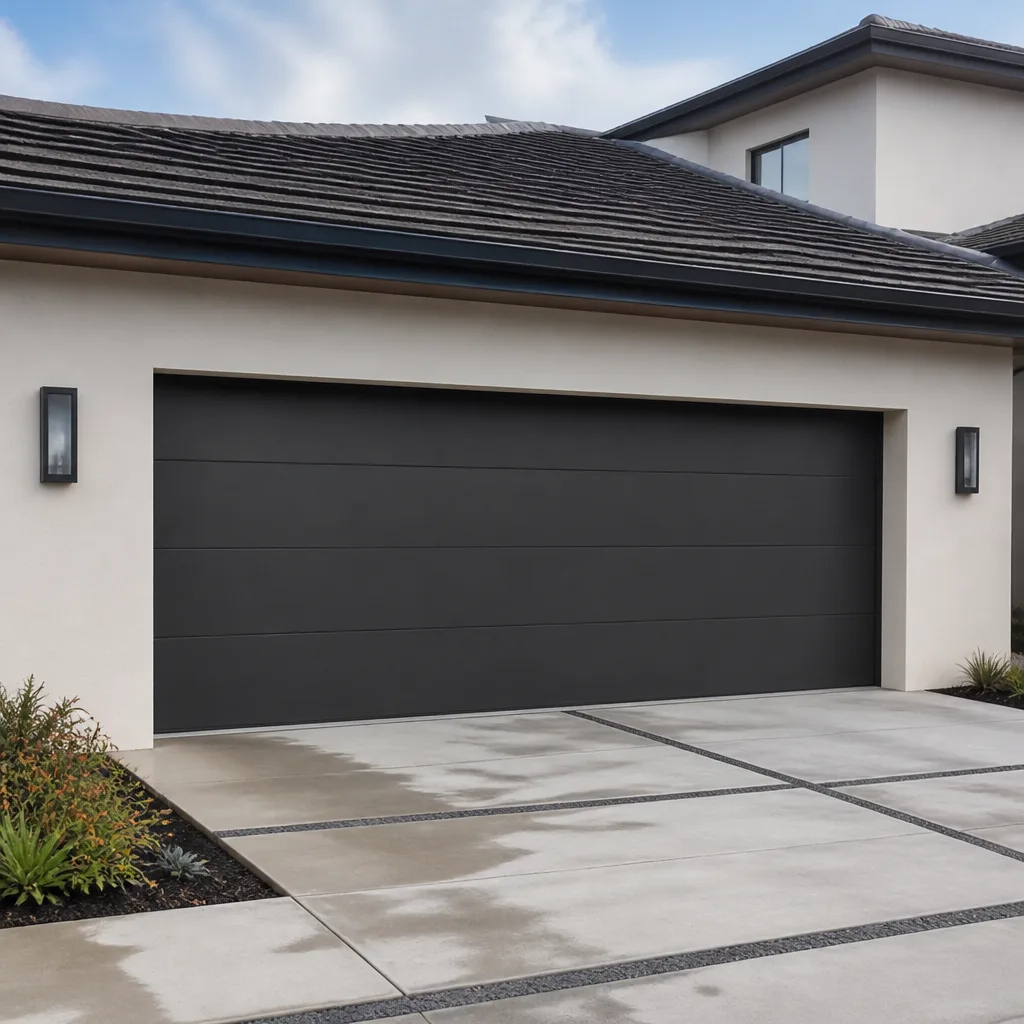 Modern flush
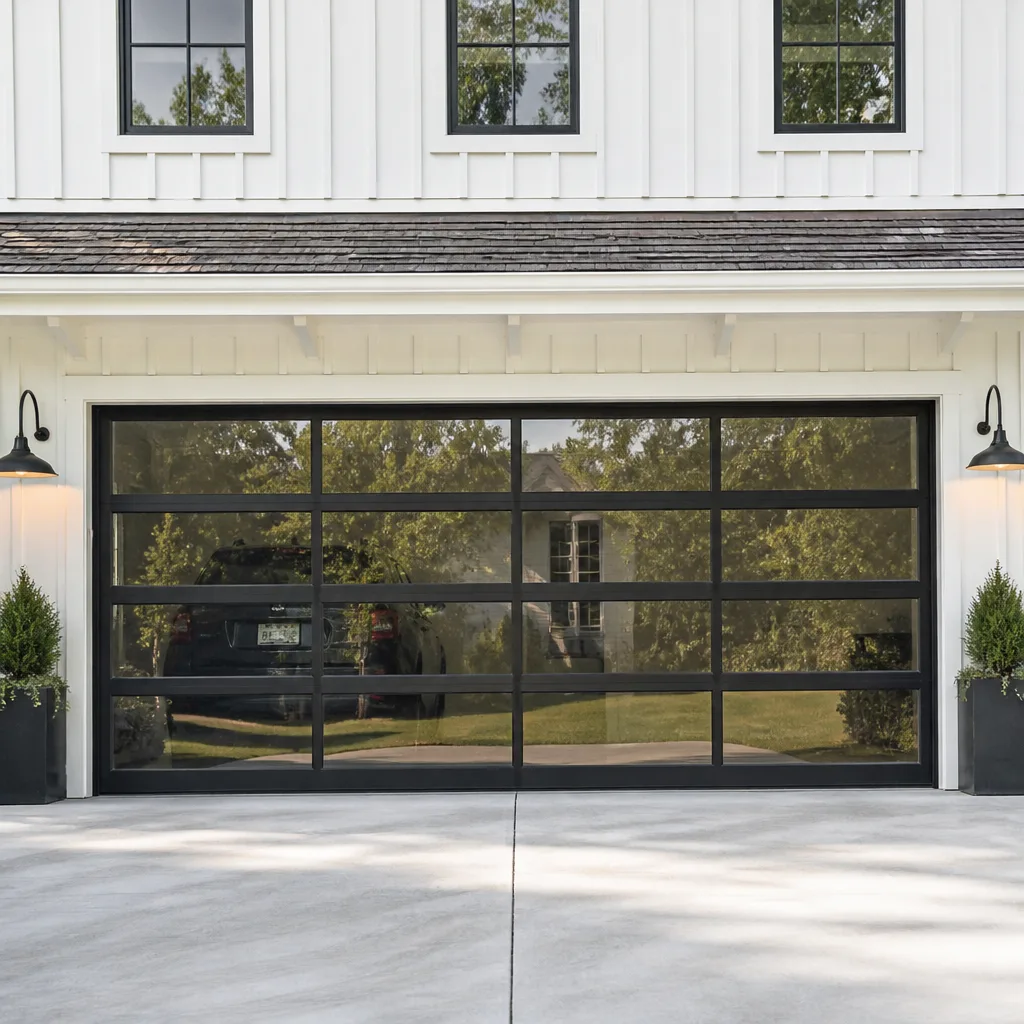 Full-view glass
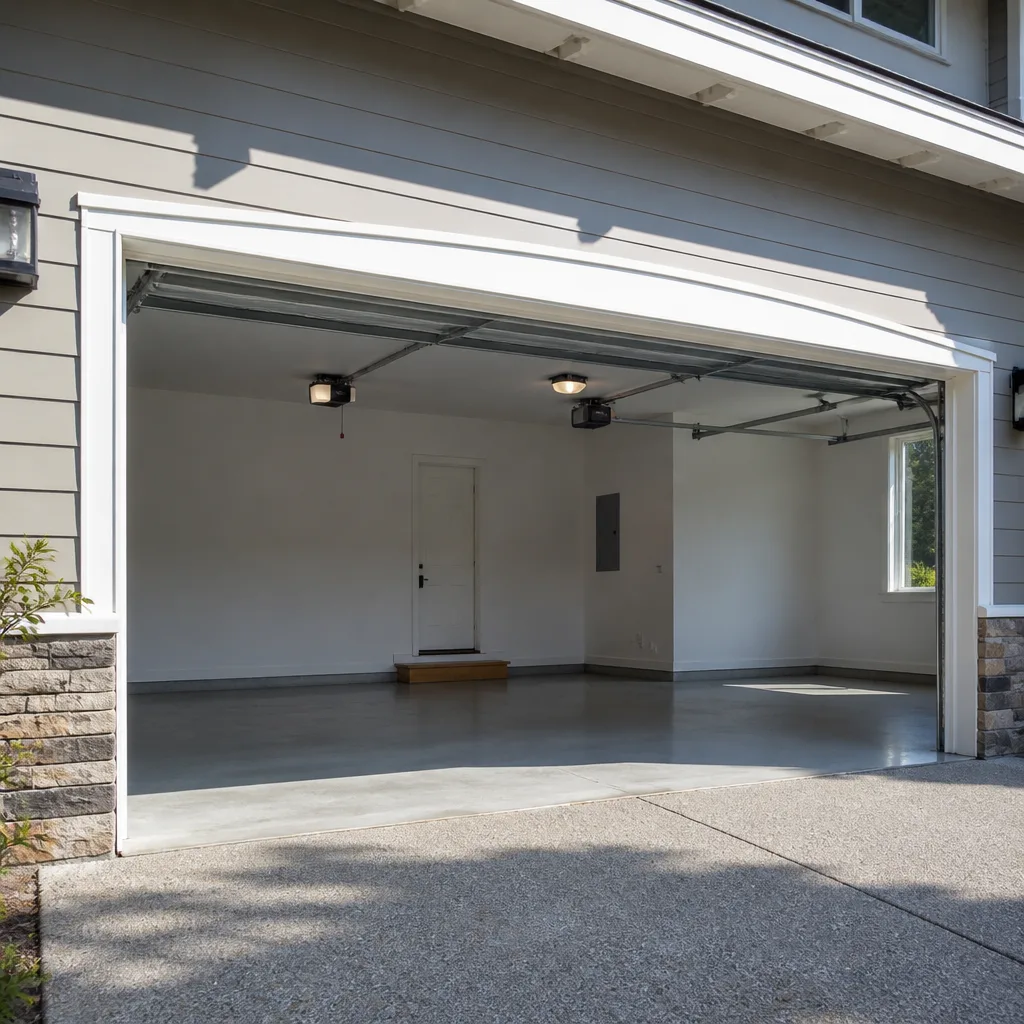 LiftMaster openers
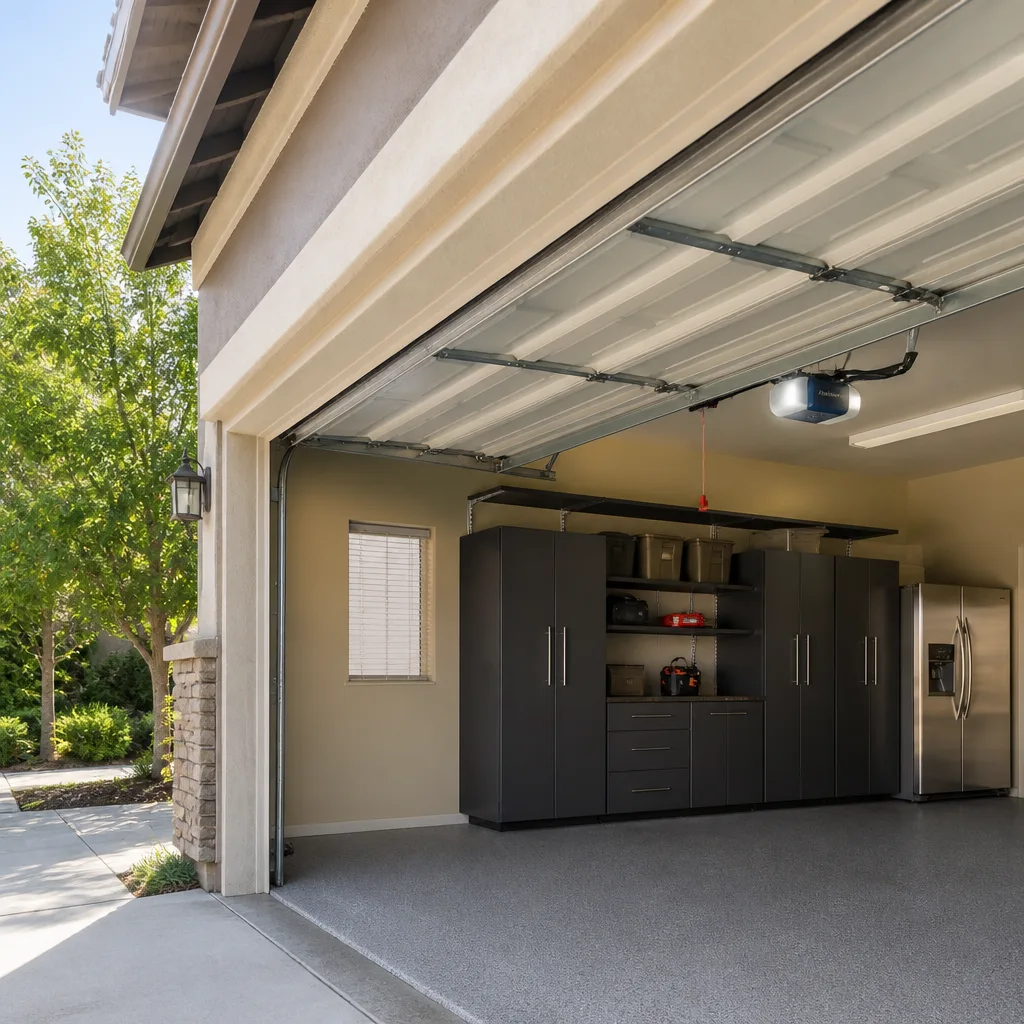 Chamberlain openers
Full 25-point door and opener safety check with every visit - springs, cables, rollers, tracks, and your LiftMaster or Chamberlain opener included
You get a price before we start. It does not change when the pro arrives.
Get your free estimateSeasonal Garage Door Care for Edmonds: Year-Round Homeowner’s Guide
Edmonds doesn’t get brutal winters, and that’s exactly the problem. Because the cold here rarely turns punishing, most homeowners skip fall weatherization entirely, then spend February dealing with a bottom section that swelled, rollers that seized, and a weatherseal bonded to the threshold slab overnight. The seasonal damage calendar in Edmonds doesn’t follow the hard freeze-thaw cycle that dominates most Pacific Northwest maintenance advice. It follows fall moisture saturation, sustained winter cold in a narrow band, spring corrosion, and summer UV. This guide maps the actual threats month by month, so you can do the right task at the right time instead of guessing.
Quick Answer
The single most valuable seasonal task for an Edmonds garage door is resealing the bottom weatherstripping before the October rains arrive, followed by a lubricant swap for winter, a corrosion check in early spring, and an annual spring tension inspection. Most homeowners can handle cleaning, lubrication, and visual inspection themselves; springs, cables, and opener adjustments belong to a trained garage door specialist.
Styles & brands we work with
- Raised-panel steel
- Carriage house
- Modern flush
- Full-view glass
- LiftMaster openers
- Chamberlain openers
Table of Contents
- Fall: The October Rain Deadline
- Winter: Why 28-34°F Is Harder Than It Sounds
- Spring: The Corrosion Acceleration Window
- Summer: UV and the Panels That Take It
- Annual Spring Tension Recalibration
- The Edmonds Seasonal Care Calendar
- Brand-Specific Quirks: What to Watch on Your System
- Common Mistakes to Avoid
Fall: The October Rain Deadline
In Edmonds, the fall priority is the bottom weatherseal, and the deadline is the first stretch of steady October rain. Once the rains lock in, a worn or hardening seal lets water wick under the threshold and up into the bottom section of wood or composite doors. That bottom section is the most expensive part of the door to repair because it’s structurally load-bearing at the hinge line on many models. Replacing a weatherseal is a small task. Replacing a swollen bottom section is not.
Here’s the order we’d tackle fall prep:
- Inspect the bottom weatherstripping for cracks, flattening, or gaps where it meets the slab. Push a hand along it and feel for daylight or a draft.
- Clean the threshold and the seal with a damp cloth, then let it dry fully before deciding to replace or treat.
- Apply a silicone-based lubricant to hinges, rollers, and the torsion bar bearings before the cold sets in, not after.
- Check the gap between the door and the jamb at the top and sides. If daylight shows through, the seal needs attention.
- Test the auto-reverse safety feature with a small object under the closing door. This is a ten-second check that catches a failing opener before winter.
The bottom seal replacement itself is a homeowner job on many doors, but if the door is a heavier steel or wood model with a tension bottom bracket, leave it to a specialist. Our garage door repair work in Edmonds gets a spike of seal replacements every October for exactly this reason.
Winter: Why 28-34°F Is Harder Than It Sounds
Edmonds winters mostly sit in a narrow band, roughly 28 to 34°F on the coldest stretches. That’s not a hard freeze and it doesn’t crack concrete, but it’s a specific problem for garage door lubricant viscosity. Standard oil-based or general-purpose lubricants thicken noticeably in that range, and a door that opens smoothly in October can start dragging and straining its opener motor by January. The cold doesn’t need to be extreme to be expensive.
The fix is a lubricant designed for temperature stability, not the general household spray you keep in the shed. Silicone or lithium-based lubricants hold their viscosity better across that band. Here’s how to dose the door for winter:
- Wipe the rollers and hinges clean before re-lubricating; old thickened grease attracts grit.
- Apply a light coat of temperature-stable lubricant to hinges and roller bearings, not so much that it drips.
- Check that the opener’s manual release works smoothly and the door isn’t binding on its track.
- Listen for new sounds. A groaning opener or a scraping roller is telling you the viscosity is wrong or something is wearing.
A Wayne Dalton or Raynor door with a single torsion spring is especially sensitive; the spring’s effective torque drops slightly as temperatures fall, so the opener works harder to do the same job. If you notice the door feels heavier by hand (with the opener disconnected and the door at waist height, safely), that’s a sign to have the tension checked. More on that in the spring tension section.
One more winter point: don’t force a door that’s frozen shut at the seal. If the bottom weatherseal has bonded to the slab overnight, loosen it with a plastic scraper and warm water, never a metal tool that can score the threshold. Then re-seal in the spring before next fall.
Spring: The Corrosion Acceleration Window
Spring brings the biggest surprise of the Edmonds calendar: a corrosion acceleration window. As temperatures warm and the air holds moisture from weeks of rain, every wet steel component on the door becomes a battery for rust. The hinge plates, roller shafts, track edges, and spring coils that collected condensation all winter now sit in warm, humid air. Rust doesn’t need a coastal salt environment to start; it just needs wet steel and a warm, damp afternoon.
Treat this early, and in this order:
- Track edges and hinge plates first. These collect standing water and go first. Inspect for orange or brown discoloration before it becomes pitting.
- Roller shafts second. Steel roller stems rust inside the hinge and then seize. If a roller doesn’t turn freely by spring, replace it rather than lubricate it.
- Spring coils third. Surface rust on a torsion spring is common and not automatically a failure, but a heavily pitted spring is a sign to have it inspected.
- Bottom brackets and cables last. These take the most direct ground moisture. Wipe them clean and check for fraying or corrosion.
Clean any rust with a fine abrasive pad, then apply a light oil or a rust-inhibiting spray to steel hardware. Do not paint torsion springs. If a component has lost enough metal that it looks thin or flaky, it’s time for a professional to look at it.
Spring is also the right time to book a spring inspection if you skipped fall. Our garage door spring repair conversation in Edmonds often starts here, because a spring that survived winter intact can still be near end-of-life. That’s the annual recalibration topic we cover further down.
Summer: UV and the Panels That Take It
Edmonds doesn’t get desert-level sun, but it does get intermittent high-UV days between June and early September, and that pattern is surprisingly hard on composite and wood panels. The door faces south or west on many homes, so it bakes in direct sun for a few hours, then cools in the evening. That repeated heat-and-cool cycle is what cracks paint, fades composite finishes, and opens hairline checks in wood grain. A little sun, it turns out, does more damage than a lot of sun, because the panel never fully adapts.
Summer care is mostly about surface protection:
- Wash panels with mild soap and water to remove pollen and dust that trap heat.
- Check for fading, chalking, or cracks on the sun-facing side.
- Re-apply a UV-protective finish or paint touch-up to wood or composite panels before the color fades past correction.
- Inspect window inserts and seals on doors with glazing; UV cracks the caulk line first.
This is also the season to assess whether your door is a good candidate for repair versus replacement. A door with one faded panel is a repair. A door with widespread panel cracking and a sagging structure is a replacement conversation, which we cover in the brand-specific section. If your door is a Clopay model with metal-backed insulated panels, check the panel edges, since those are where UV-driven paint failure usually starts.
Annual Spring Tension Recalibration
Seasonal temperature swings change a torsion spring’s effective torque even on a door that “works fine.” This is the part most guides skip. A spring is a steel coil under tension, and steel’s properties shift slightly with temperature. A door that balanced perfectly in a mild April can feel a little heavier in a cold January and a little lighter in a warm August. Over a year, that drift means the opener is compensating for conditions the spring wasn’t set for. It’s usually small enough that you won’t notice it, which is the danger.
An annual spring tension check is the right habit. Here’s what a professional inspection covers:
- Measure door balance with the opener disconnected and the door at waist height.
- Check for torsion bar wear and cable fraying at the drums.
- Verify that the door lifts with consistent effort and stays put where released.
- Adjust the tension only within safe limits, using the correct winding bars and precautions.
We need to be direct here: torsion springs and cables are the most dangerous components on a garage door. A wound torsion spring stores enormous energy, and a bar slipping under load can cause serious injury or worse. Do not attempt to adjust, wind, or unwind a spring yourself. This is a trained-professional job every time, and it’s why we handle garage door spring repair as routine work rather than something to defer.
One spring replacement price is per spring, and a matched pair is usually replaced together, so a pair costs about twice the single-spring range. Typical single-spring replacement in the Edmonds market runs $180 to $340, though the written estimate is what sets the final price. A spring that sounds like it’s working fine is still a spring with a finite life; annual inspection is how you catch the failure before it strands your car.
The Edmonds Seasonal Care Calendar
Here’s the whole year on one page. If you do nothing else, hit the October seal check and the spring tension inspection. Everything else is maintenance that buys you time and avoids bigger repairs.
| Season | Primary Threat | Task |
|---|---|---|
| Early Fall (Sept) | Rain onset, worn bottom seal | Inspect and reseal bottom weatherstripping before October rain |
| Late Fall (Oct-Nov) | Cold-set lubricant, seal gaps | Clean and re-lubricate with temperature-stable lubricant |
| Winter (Dec-Feb) | 28-34°F dragging, frozen seal | Check opener strain, test manual release, watch for binding |
| Early Spring (Mar-Apr) | Corrosion acceleration | Treat track edges, hinges, roller shafts, and bottom brackets for rust |
| Late Spring (May) | Spring fatigue, balance drift | Book spring tension inspection and balance check |
| Summer (Jun-Sep) | UV degradation on composite/wood | Wash, inspect for cracking or fading, touch up UV finish |
Notice the two anchors: the October seal deadline and the annual spring check. If you lock those two in, everything else is an easy catch-up. Edmonds homeowners who follow this calendar get ahead of the repairs that actually cost money, and they avoid the February panic of a door that won’t come down.
Brand-Specific Quirks: What to Watch on Your System
Cross-brand fluency matters here, because the maintenance task list looks the same but the fail points differ by manufacturer. We work with eight of the most widely installed brands, and each has its own wear patterns.
LiftMaster and Chamberlain openers (they share engineering roots) benefit from a yearly check of the safety sensors and the drive belt or chain tension. A Chamberlain unit that starts stopping halfway down is usually a sensor or travel-limit issue, not a door issue. Regular lubrication keeps the drive quiet.
Genie openers are common on Edmonds homes with lighter doors, and their screw-drive models collect grit on the rail. A clean and re-lube each fall prevents a grinding sound that owners often mistake for a failing motor.
Clopay doors with insulated or composite panels are the UV-sensitive ones in summer. Amarr doors with steel backer panels develop rust at the panel seams in the spring window. Wayne Dalton and Raynor doors often run single torsion springs where the winter torque drift shows up first. Craftsman openers, common on older doors, frequently pair with a tired spring, so the tension check matters most there.
If your opener is making a new sound after a season change, our garage door opener repair team can diagnose it without guessing at the brand.
Common Mistakes to Avoid
- Skipping fall because the winter is mild. Edmonds’ winter band of 28-34°F is precisely the range that makes cheap lubricant thicken. Mild doesn’t mean harmless.
- Using general-purpose grease on the tracks. It traps grit and gets gummy in cold. Temperature-stable silicone or lithium lubricants are the right call.
- Ignoring the bottom weatherseal until it bonds to the slab. A bonded seal overnight in Edmonds is a February problem that started as an October oversight.
- Washing the door and calling it summer maintenance. Water alone doesn’t restore UV protection on wood or composite. The finish needs refreshing.
- Painting torsion springs. Paint hides the surface condition and can interfere with inspection. Leave spring surfaces bare so rust is visible.
- Assuming a quiet, working door needs no spring check. Effective torque drifts with temperature, and a spring near failure often sounds normal right up until it doesn’t.
- Adjusting a torsion spring yourself. The stored energy in a wound spring can injure you badly. This one is for a trained specialist, always.
See the difference
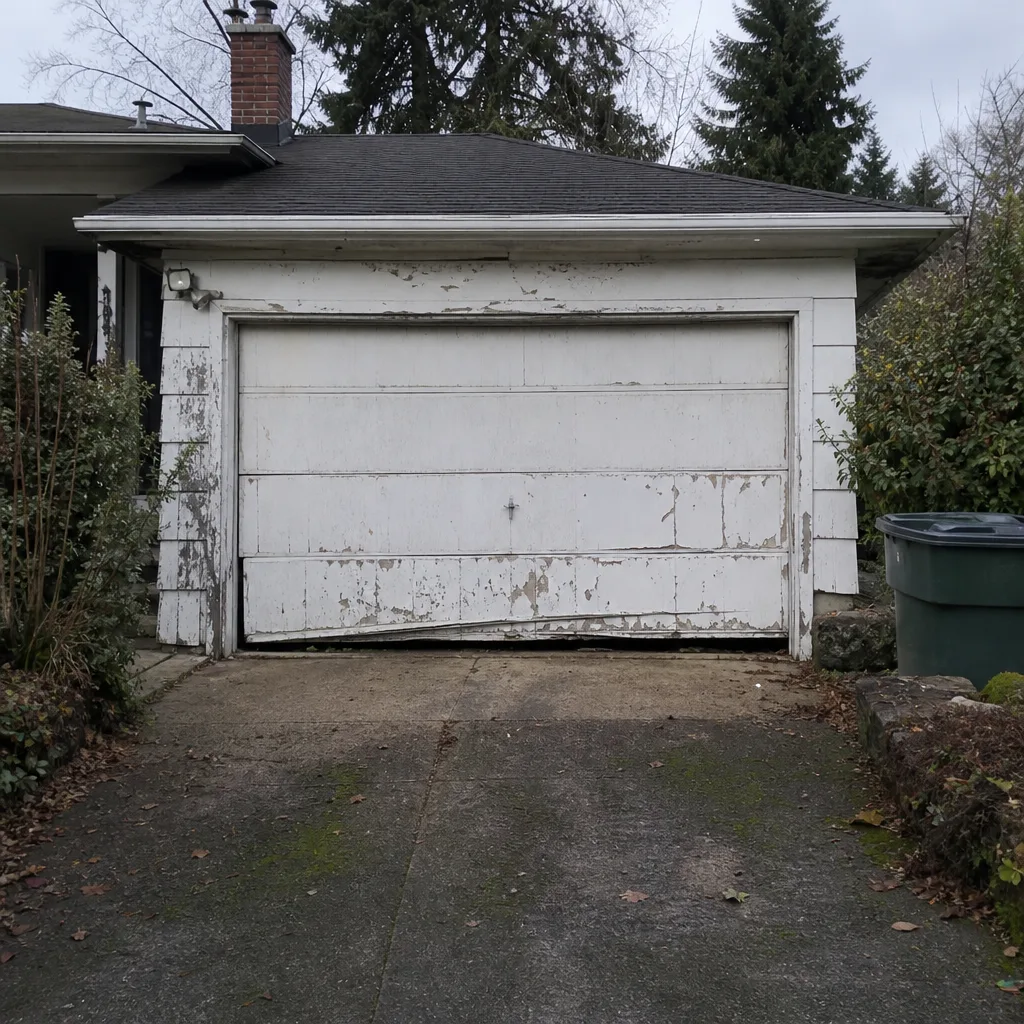 Before
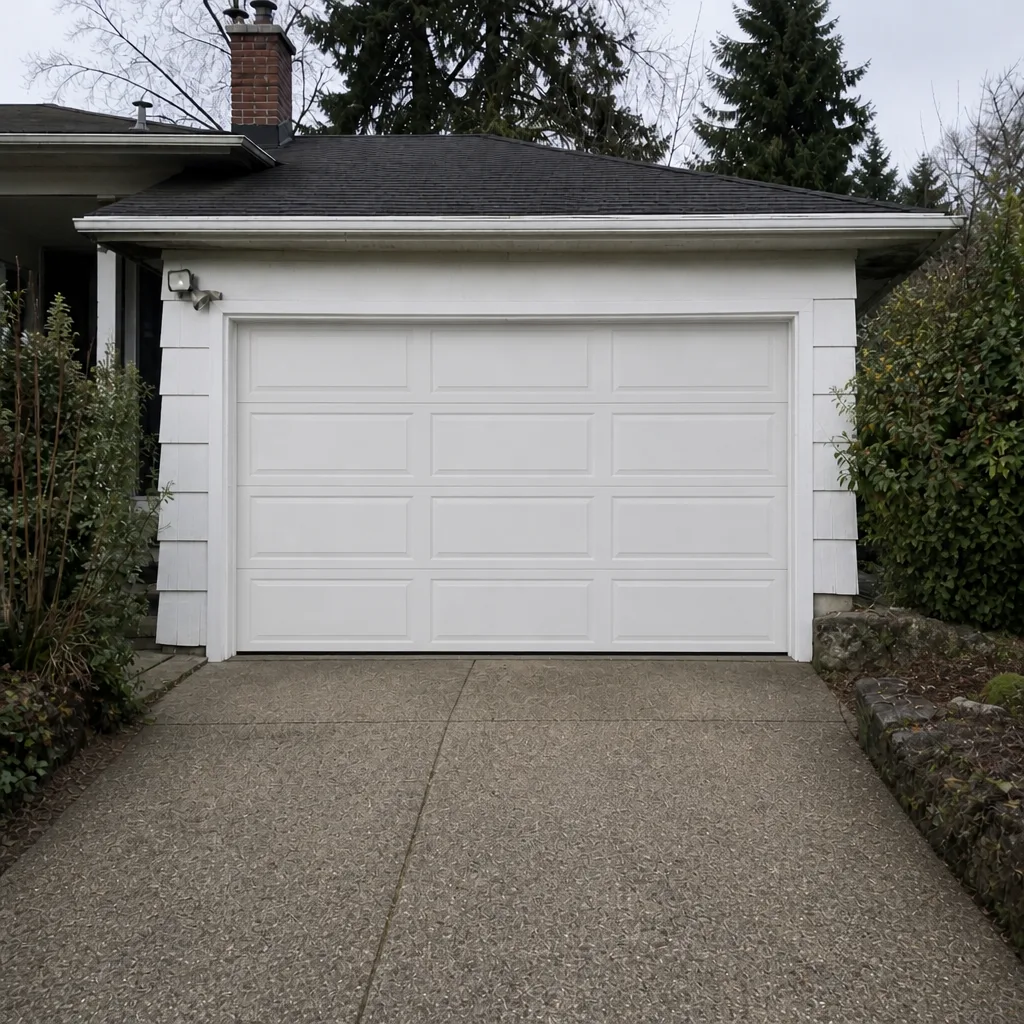 After
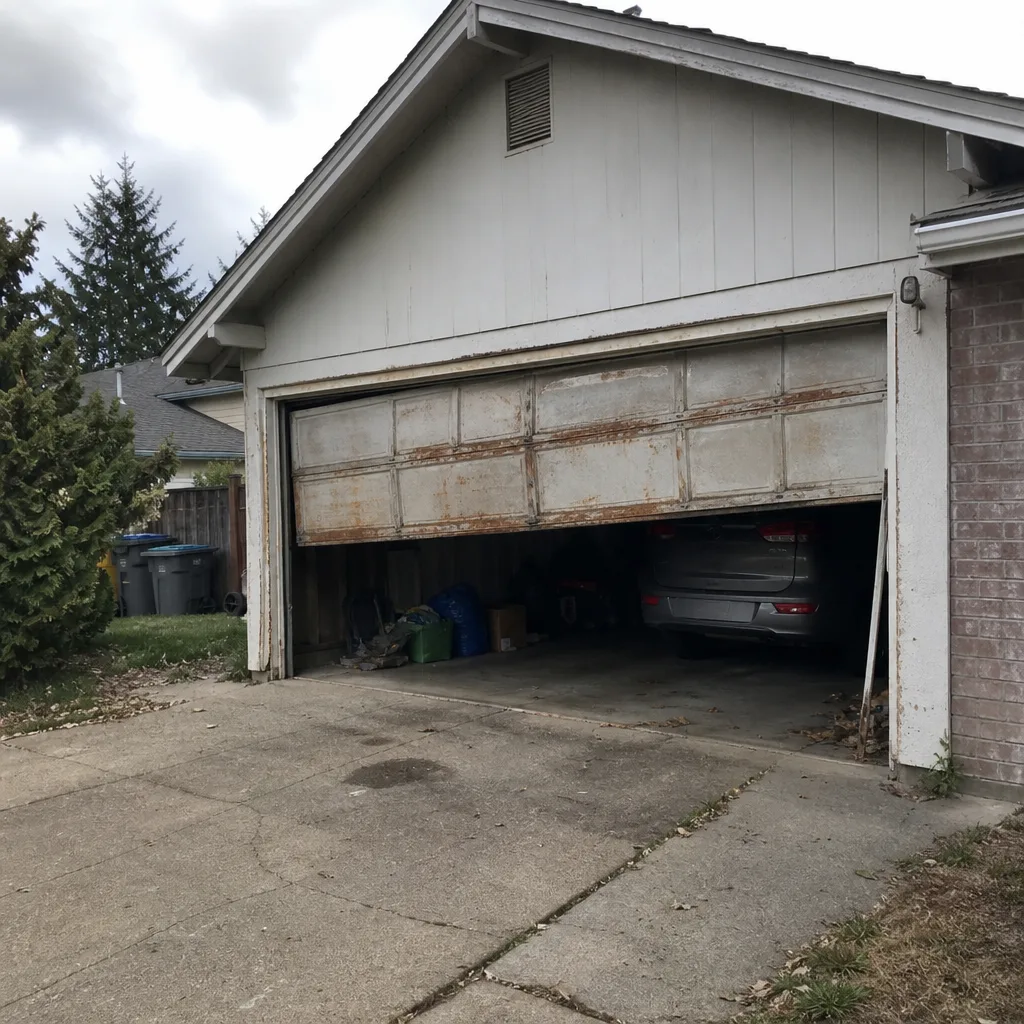 Before
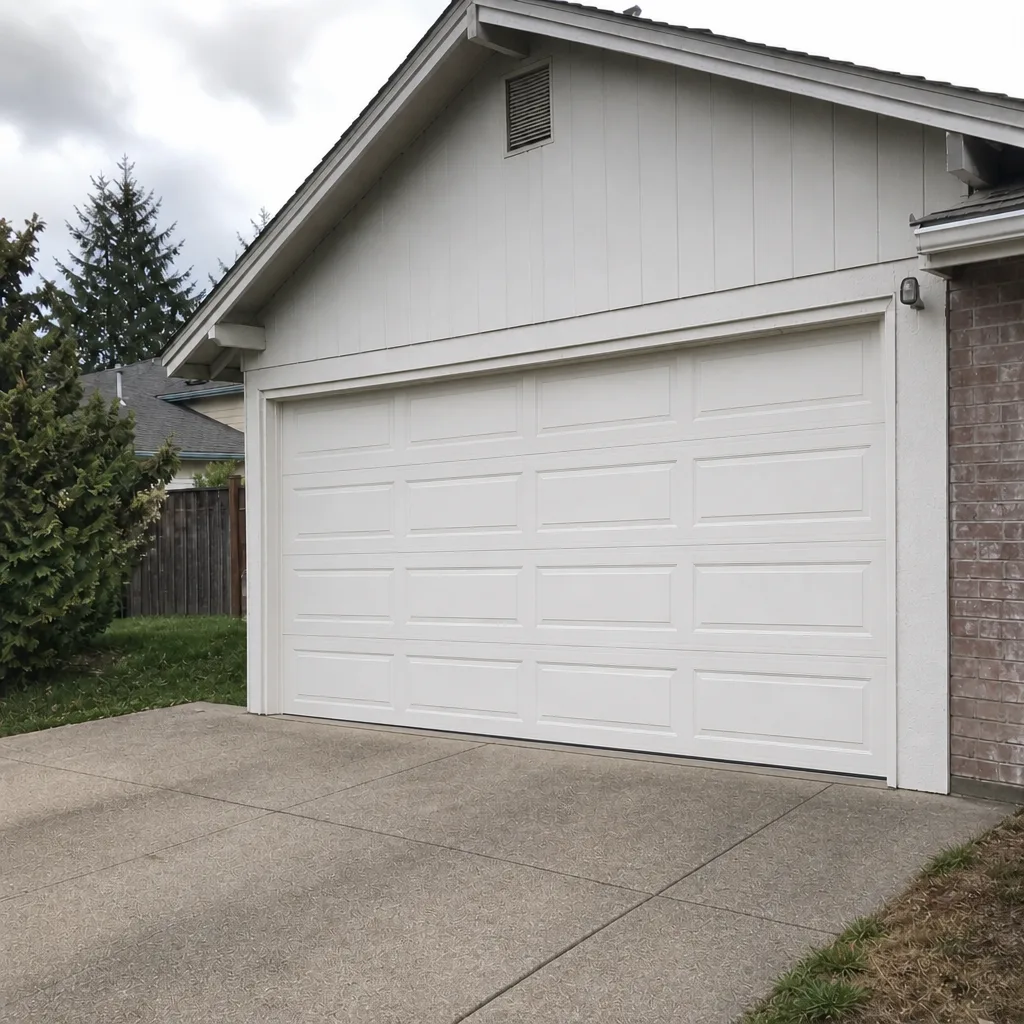 After
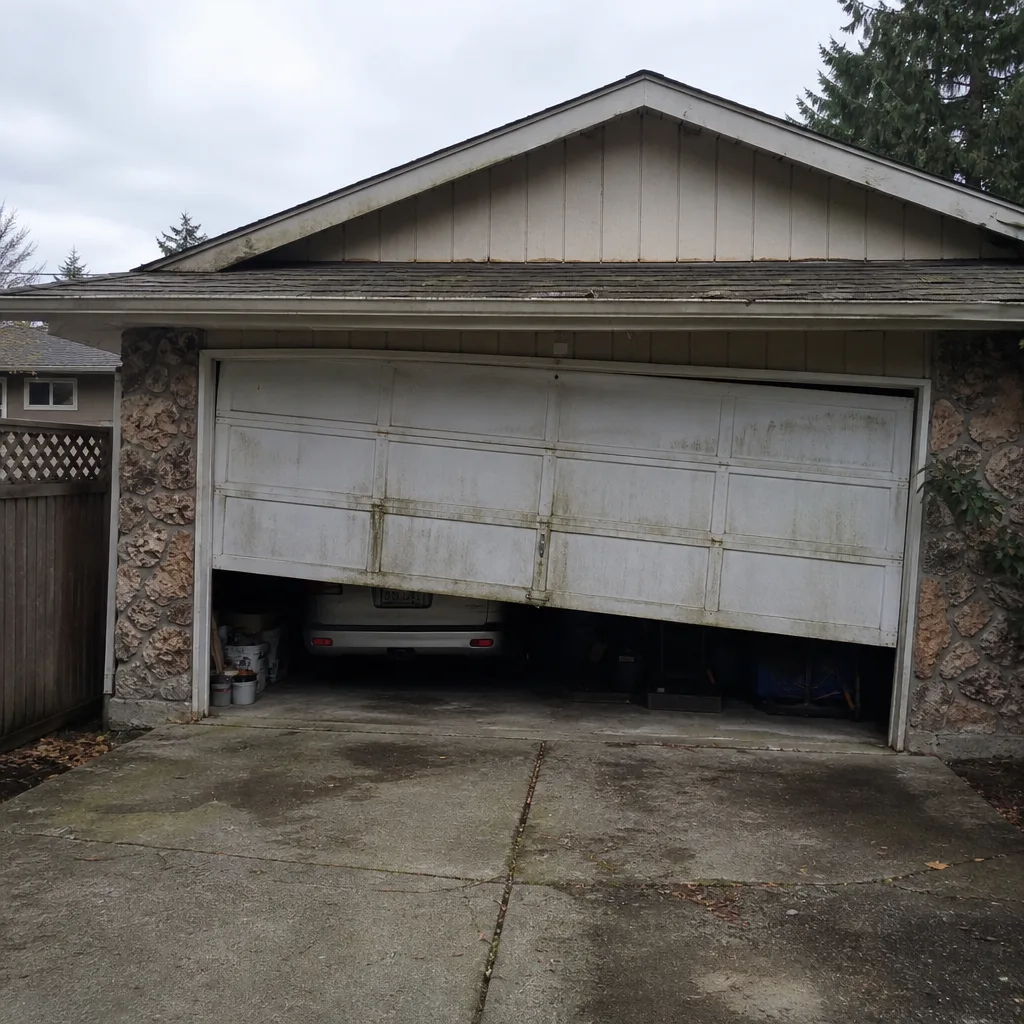 Before
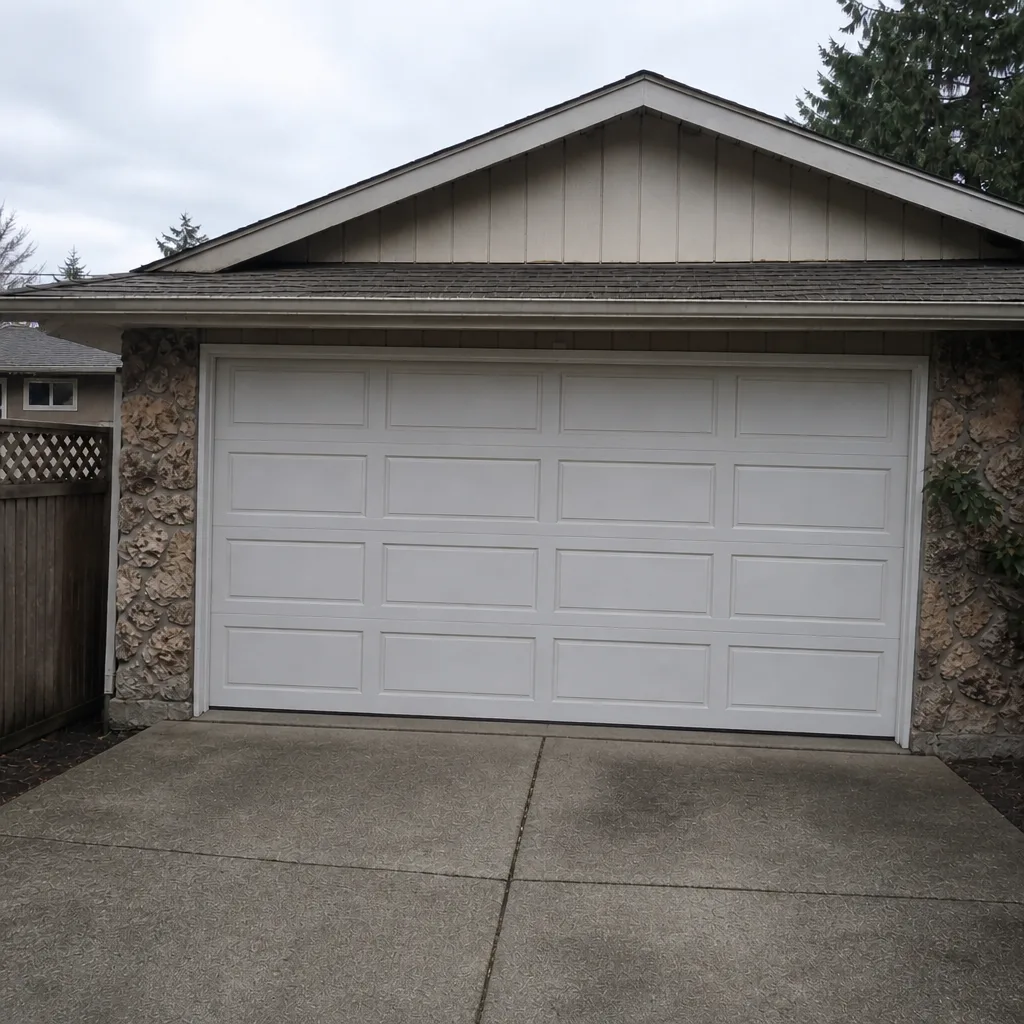 After
When to Call a Professional
Call a garage door specialist if a spring breaks, a cable frays or snaps, the door goes crooked or binds on one side, the opener stops reversing on an object, or you hear a loud bang from the torsion assembly. Those are the situations where a homeowner’s bench skills can turn into a hospital visit. Spring work, cable work, and opener adjustments are all in that category. If a door traps your car or leaves the house unsecured, emergency garage door service is a standing offering here, not an upcharge tier. A trained specialist diagnoses the actual failure instead of guessing, and on safety-critical hardware that’s the difference. Edmonds Garage Door Repair Pros offers free estimates in Edmonds and can be reached at (844) 651-9427.
Frequently Asked Questions
Start in September, before the October rains arrive. The priority is inspecting and resealing the bottom weatherstripping so rain can’t wick under the threshold and swell the bottom section. Resealing early is far cheaper than repairing water damage. Call (844) 651-9427 for a free estimate if you’d rather have the seal checked by a specialist.
Yes, mostly through lubricant viscosity. In that temperature band, standard oil-based lubricants thicken enough that the opener has to work harder to move the door. Silicone or lithium-based lubricants hold up better. If your door gets noticeably harder to lift in winter, have the spring tension checked. Call (844) 651-9427 for a same-day assessment.
Treat track edges and hinge plates first, because they collect standing moisture and start rusting before anything else. Follow with roller shafts, spring coils, and bottom brackets. Clean rust with a fine abrasive and apply a light oil or rust inhibitor. If a component is pitted or thin, call (844) 651-9427 for a free estimate.
Because a torsion spring’s effective torque shifts slightly with temperature. A door that balanced in April can be off by winter, and the opener absorbs the difference until something fails. An annual balance and tension check catches it before a break. Call (844) 651-9427 to book a spring inspection.
No. Torsion springs store enough energy to cause serious injury if a winding bar slips, and cables can snap with similar force. This is a trained-professional job. We handle spring replacement routinely. Call (844) 651-9427 for a free estimate.
Yes. Wood and composite panels need UV protection refreshed each summer, while steel doors need the spring corrosion treatment on tracks, hinges, and roller shafts. Both need the fall weatherseal and winter lubricant cycle. If you’re unsure which finish or lubricant your door needs, call (844) 651-9427 for a free estimate.
The Bottom Line
Edmonds garage door care runs on a different calendar than most Pacific Northwest guides. Your two anchors are the October bottom-seal deadline and the annual spring tension check. Between them, swap to a temperature-stable lubricant before winter, treat steel hardware for corrosion in early spring, and refresh UV protection on wood or composite panels in summer. Springs and cables stay in professional hands, full stop. Do those five things and you’ll spend far less on February surprises. When something needs a specialist, Edmonds Garage Door Repair Pros connects you with vetted local professionals who know the exact system you own. Call (844) 651-9427 for a free estimate.
Whether the job is a seasonal check on a LiftMaster opener, a stuck door that needs emergency help, or a full replacement assessment, the right next step is the same: a written price before any work starts, agreed upfront. Estimates are free, and our technicians have up to 8 years of experience on the brands you actually own. Reach the team through Edmonds Garage Door Repair Pros or by phone at (844) 651-9427.
Written by the team at Edmonds Garage Door Repair Pros.