Last updated November 23, 2026
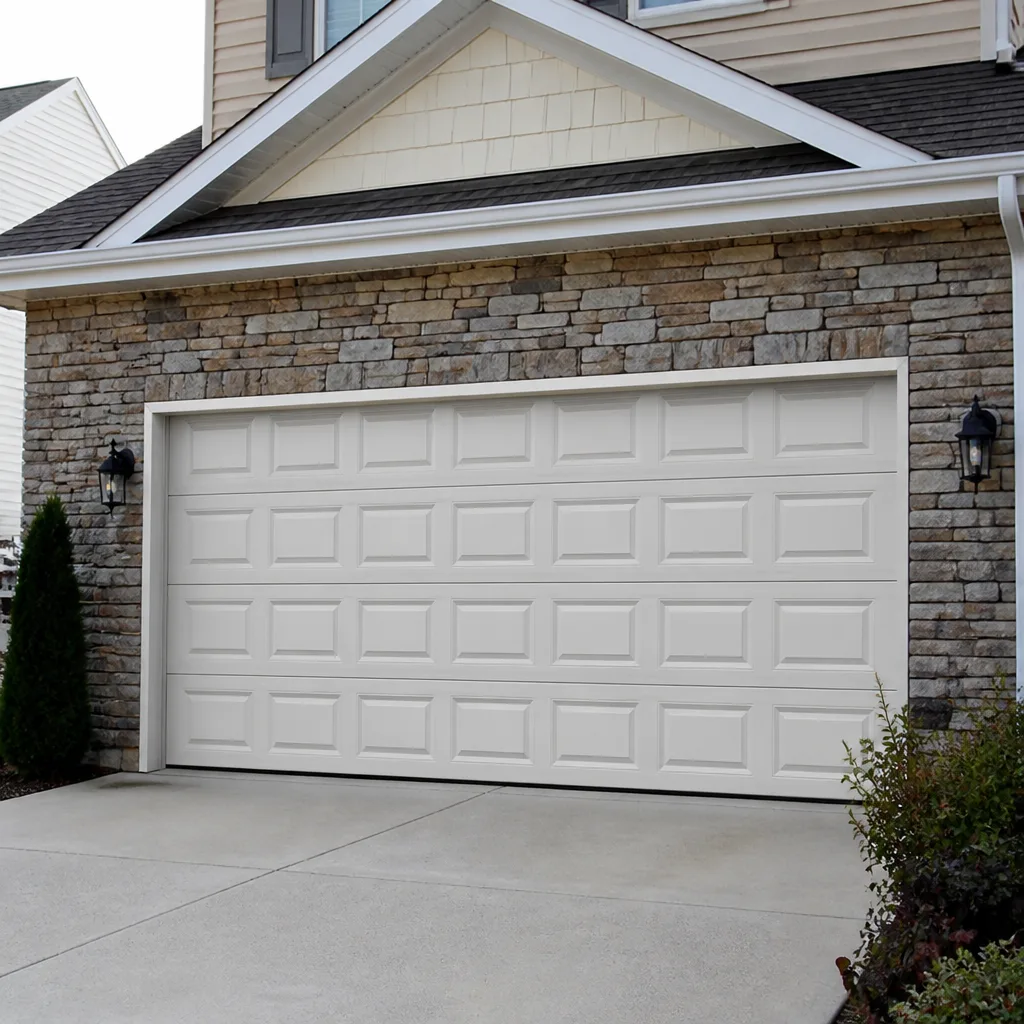 Raised-panel steel
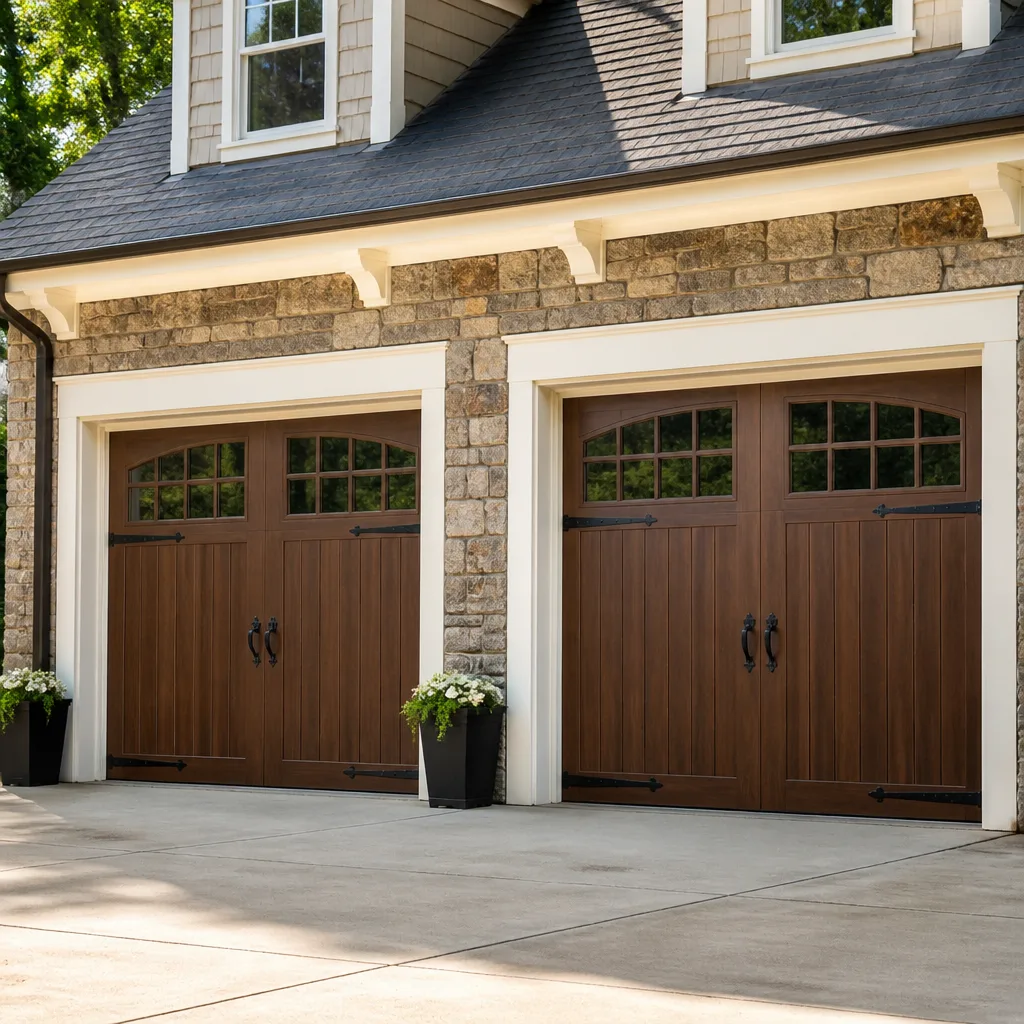 Carriage house
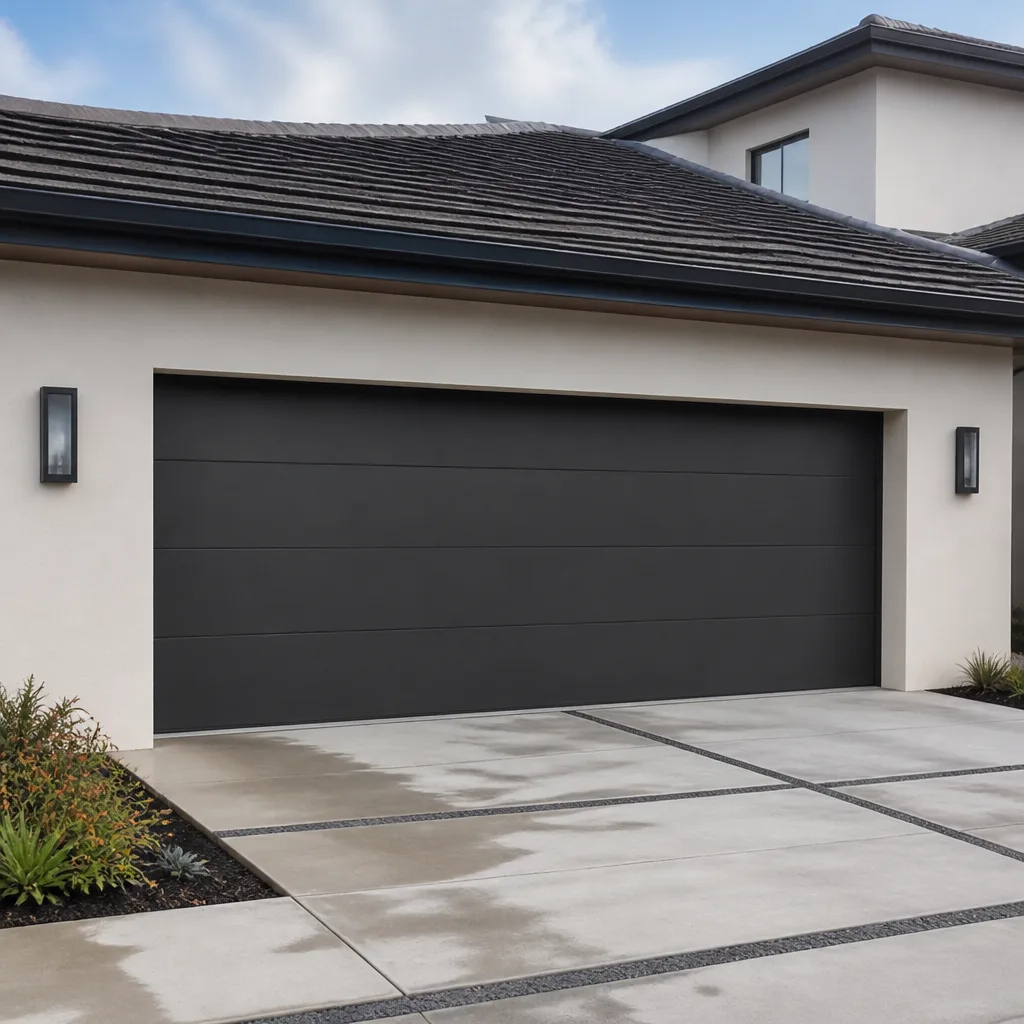 Modern flush
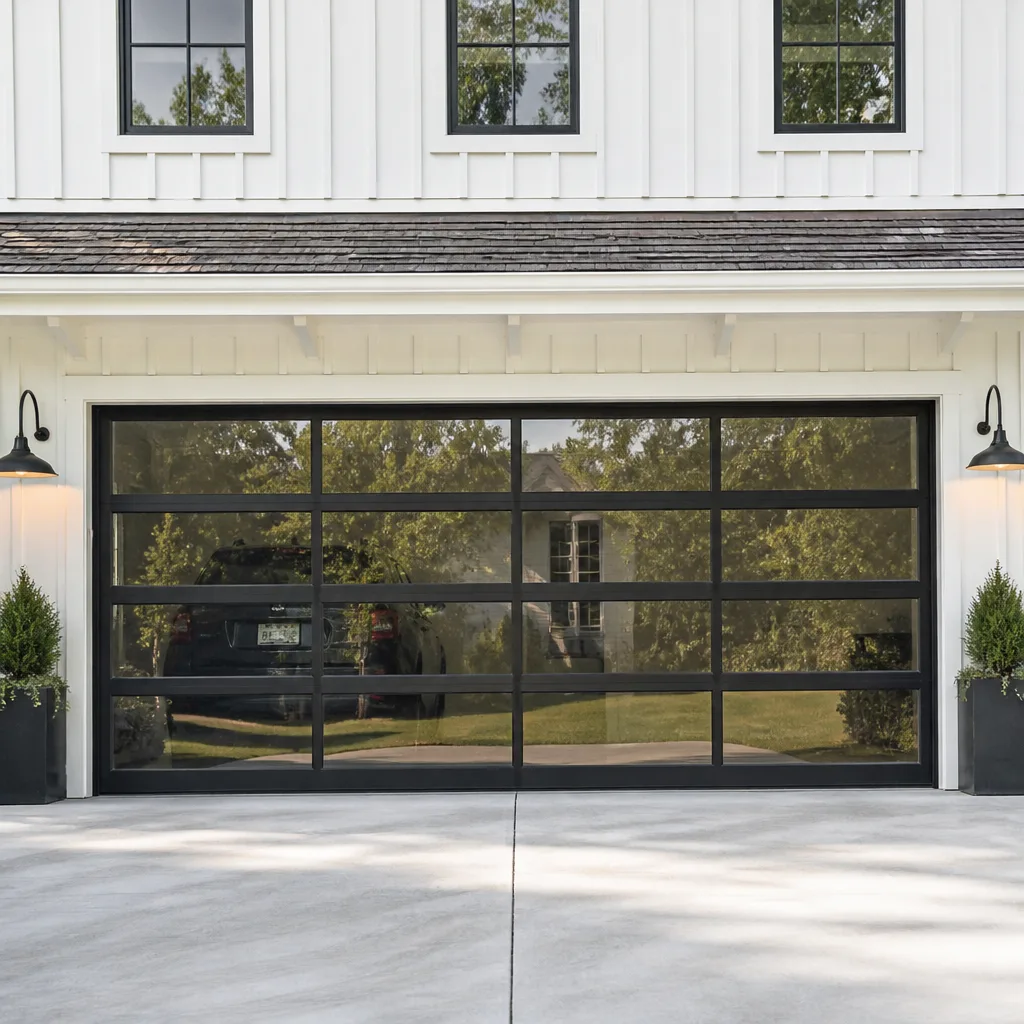 Full-view glass
 LiftMaster openers
 Chamberlain openers
Full 25-point door and opener safety check with every visit - springs, cables, rollers, tracks, and your LiftMaster or Chamberlain opener included
You get a price before we start. It does not change when the pro arrives.
Get your free estimateGarage Door Warning Signs: An Edmonds Homeowner’s Reference Guide
A garage door that’s “a little slow” and a garage door that’s “making a new noise” sound like minor annoyances. One of them might be a worn gear inside the opener. The other might be a torsion spring two cycles from snapping under 150 pounds of stored torque. Both homeowners describe their problem the same way, and that’s the trap: the words we use for a tired door and a dangerous door are often identical. This guide sorts every common symptom into three urgency tiers, from stop-using-it-today to watch-it-for-now, and explains the mechanical chain behind each one. By the end, you’ll know which sounds point to which parts, and how Edmonds weather shapes some of the failures we see most.
Quick Answer
Garage door warning signs fall into three tiers. Stop using the door immediately if you see a broken spring (a clean gap in the coil), a frayed or kinked lift cable, or a bent track section, because each one can drop the door or send hardware flying. Schedule service within about two weeks for inconsistent opener behavior, worn rollers, or motor hesitation. Monitor and plan for surface rust, weatherseal gaps, and slow misalignment. Sound is your fastest diagnostic clue: grinding points to bearings or rollers, popping to cables or springs, rattling to loose hardware, and squealing to dry moving parts.
Styles & brands we work with
- Raised-panel steel
- Carriage house
- Modern flush
- Full-view glass
- LiftMaster openers
- Chamberlain openers
Table of Contents
- Tier 1: Stop Using the Door Today
- Tier 2: Schedule Service Within Two Weeks
- Tier 3: Monitor and Plan
- What Each Sound Tells You
- The Edmonds Rust Trap: When a Track Problem Looks Like a Spring Problem
- How a Specialist Assesses Your Door, Step by Step
- Brand-Specific Warning Signs
- Repair or Replace? Deciding What the Signs Are Telling You
Tier 1: Stop Using the Door Today
Tier 1 symptoms mean the door is no longer safe to operate. Not “operate carefully.” Not “operate once more to get the car out.” Stop, and call for emergency garage door service. The common thread in this tier is stored energy: torsion springs, extension springs, and the cables that hold them in tension are all under load even when the door is closed. When one fails, the release is violent.
Here’s how to recognize each Tier 1 sign:
- Broken spring. A clean gap in the coil of a torsion spring above the door, or a stretched, dangling extension spring along the side track. A broken spring often announces itself with a loud bang, but sometimes it just goes quiet and the door becomes impossibly heavy. If your opener strains and the door barely lifts, assume a spring until proven otherwise, and leave the door down.
- Frayed or kinked lift cable. Look at the steel cables running along the sides. Fraying, bird-caging (where the strands separate and curl), or a cable that has jumped its drum means the door could drop without warning. Cables are under extreme tension and are not a homeowner repair under any circumstances.
- Bent track section. A dented or bent vertical or horizontal track can let rollers escape, and a door that comes off its track can fall or twist violently. If the door is already crooked or hung up, don’t cycle it to “see if it straightens out.”
We want to be direct about the risk here. Torsion springs can hold well over 100 pounds of torque, and a cable under load can cause serious injury in an instant. This is exactly the kind of job where the right move is to step away and let a trained specialist handle it. garage door spring repair done safely is a routine call for a specialist and a genuine hazard for anyone else. If your door shows any Tier 1 sign in Edmonds, keep it closed, keep people and pets clear, and call for emergency response.
Tier 2: Schedule Service Within Two Weeks
Tier 2 symptoms won’t drop the door today, but they’re the middle of a failure chain that ends in Tier 1 if you ignore them. The pattern we see most: a small mechanical problem adds strain to a bigger component, and the bigger component eventually fails. Two weeks is enough time to get on the schedule without letting a manageable repair become an emergency.
The Tier 2 signs to watch for:
- Inconsistent opener behavior. A door that sometimes reverses for no reason, sometimes stops halfway, or responds to the remote only up close often points to a failing logic board or a misaligned safety sensor. Intermittent problems are the signature of electronics on the way out, and they rarely fix themselves.
- Roller wear. Worn steel rollers develop flat spots and rattle; worn nylon rollers can crack at the hub. Run your eyes down the track and look for rollers that wobble, are chipped, or leave black dust on the track. Worn rollers drag on the opener and wear the track.
- Opener motor hesitation. If the motor hums before the door moves, or the door lurches at the start, the opener is working harder than it should. Sometimes that’s a failing gear or capacitor inside the unit; sometimes the opener is straining because the door itself has gone out of balance. Either way, it needs a look, and garage door opener repair is the right call rather than waiting for the motor to quit entirely.
- Door out of balance. Disconnect the opener (pull the release handle with the door closed) and lift the door halfway by hand. It should stay put. If it drifts down on its own or feels heavy, the balance is off, which overloads the opener every single cycle.
In our experience, Tier 2 is where homeowners save the most money and the most hassle. A worn roller set or a struggling opener diagnosed early is a straightforward repair. Left alone, that same strain lands on the springs, and the next call is a Tier 1 emergency.
Tier 3: Monitor and Plan
Tier 3 signs are slow-moving. Nothing is failing right now, but the door is telling you where your next repair will come from. This is the tier where a little planning pays off, especially in a climate that puts moisture on the door for months at a stretch. Here in Edmonds, the wet season means surfaces stay damp far longer than homeowners from drier places expect, and that shapes which parts wear first.
Keep an eye on these:
- Surface rust scoring. Light rust on the bottom panel, along panel seams, or around hinges is early-stage and worth catching now. Rust scoring follows the steel, so check the lowest sections first, since they sit closest to splash and ground moisture.
- Weatherseal gaps. The bottom seal and the side jambs should touch the door all the way around. Gaps let in water, cold air, and pests, and a stiff or torn seal also lets the door slap against the frame. A seal that’s cracked or flattened is a simple, planned replacement.
- Slow-creep misalignment. Does the door look a little crooked when it’s down, or does one side touch the ground before the other? A small, growing gap between the door and the frame is often the first visible sign of a track that’s shifted or a hinge that’s loosening. It’s easy to fix early and more involved later.
- New squeaks. A door that’s gotten louder over a season usually needs lubrication at the hinges, rollers, and springs (the spring itself only if the manufacturer calls for it). Squeaks are the door asking for maintenance, not a failure in progress.
Tier 3 is also where a whole-door inspection earns its keep. When a specialist looks at a door in Edmonds that’s showing rust scoring and a slow drift, they’re checking whether those two things share a cause, which brings us to a pattern worth its own section.
What Each Sound Tells You
Sound is the fastest way to narrow down a garage door problem, because each kind of noise points to a specific mechanical location. A grinding door and a popping door are telling you about different parts. Learning to tell them apart saves you from guessing and helps a specialist arrive prepared. Here’s how we map the four common sounds:
- Grinding. Grinding locates to bearings, rollers, or the opener’s gears. A steady grind as the door moves often means a dry or failing bearing or a roller that’s stopped turning and is dragging. Grinding from the opener housing itself, especially a rhythmic grind, often points to a worn gear inside the unit.
- Popping. A pop or snap, particularly a single loud one when the door starts or stops, often means a cable has slipped on its drum or a spring is binding. Popping is a Tier 2 sound at minimum and a Tier 1 signal if it’s paired with a sudden loss of lift.
- Rattling. Rattling points to loose hardware: hinges, brackets, bolts, or a chain-drive opener with slack in the chain. It’s usually the least urgent sound, but a rattle that grows louder can mean fasteners are working loose, which eventually misaligns the track.
- Squealing. Squealing locates to friction points that need lubrication, most often rollers, hinges, and the torsion bar. A high squeal on a door that otherwise works fine is the classic sign the door is overdue for lubrication and a check of the moving parts.
One more useful distinction: location matters as much as the sound. A noise from overhead near the springs is a different problem from a noise at the opener rail. When you call, describing both the sound and where it comes from helps us route the right specialist and bring the right parts for your door. That’s part of why our garage door repair work starts with a listen and a look rather than a guess.
The Edmonds Rust Trap: When a Track Problem Looks Like a Spring Problem
This is the pattern we want every Edmonds homeowner to know, because it’s the single most common misdiagnosis we see. A door that’s gotten heavy, strains to open, or feels out of balance looks like a spring problem. Sometimes it is. But in a wet climate, moisture-driven rust on the tracks and rollers can create friction that mimics a failing spring almost exactly, and the fix is very different.
Here’s the failure chain. Moisture gets into the track and onto the rollers. The rollers stop turning freely, or a rusted section of track develops a rough patch. The door now fights extra drag every time it moves. That drag feels like weight to the opener and to your arm, so the natural conclusion is “the springs are going.” But the springs may be perfectly healthy, and replacing them won’t fix the drag.
How do you tell the difference?
- Look at the track surface, especially the lowest sections and the curves. Rust streaks or a gritty feel along the roller path point to friction, not spring failure.
- Check the rollers for flat spots or surfaces that no longer turn.
- With the opener released, lift the door by hand. A spring problem feels heavy throughout the lift; a friction problem often feels heavy in patches, or the door hesitates along a rusty stretch of track.
- Look for the Tier 1 spring sign directly, a visible gap in the coil. If the coil is intact and the door is still heavy, friction moves up your suspect list.
We mention this because a door that’s diagnosed as “springs” when the real issue is rusted tracks and rollers means money spent on the wrong part. A specialist in Edmonds should check the tracks and rollers before recommending springs, and should tell you plainly which one the evidence points to. If it’s the tracks, cleaning and servicing them, or replacing the affected sections, is the right repair. If it’s genuinely the springs, that’s a Tier 1 job and needs to be handled as one.
How a Specialist Assesses Your Door, Step by Step
A proper assessment of a garage door follows a consistent order, from the parts that can hurt you to the parts that just need attention. This is the sequence we use, and it’s worth knowing so you can describe your door accurately on the phone and understand what a good inspection covers.
- Safety check first. We look for the Tier 1 signs, broken springs, frayed or bird-caged cables, and bent track, before anything else. If one is present, the door stays down until it’s addressed.
- Balance and lift. With the opener released, we lift the door by hand and check for balance and even travel. This tells us whether the springs, the tracks, or friction is the problem.
- Rollers, hinges, and track condition. We check for worn rollers, loose hinges, and rust or damage along the full track length.
- Opener function. We run the opener and check for hesitation, inconsistent travel, and the safety reverse. For a LiftMaster or Chamberlain unit, we also check the logic board indicators and sensor alignment, since those brands give clear diagnostic signals.
- Seals and weatherproofing. We check the bottom seal and jambs for gaps, which matter more in our wet season.
- A plain-language report. You get a clear picture of what’s a Tier 1, Tier 2, or Tier 3 issue, what it will cost, and what can wait. The price is quoted and agreed before any work starts, so there are no surprises.
Our technicians have up to 8 years of experience, and much of that experience is in reading exactly these signals on the brands most Edmonds homes already have. From a stuck door to a full installation, the same assessment habits apply.
Brand-Specific Warning Signs
Different equipment fails in its own characteristic way, and knowing the quirks of your exact system is part of reading its warning signs correctly. We work on eight of the most widely installed brands, and a few of them have recognizable patterns.
- LiftMaster and Chamberlain openers share a lot of internal design. A common sign of trouble on these units is inconsistent travel or a door that reverses unexpectedly, often tied to the logic board or the safety sensors. The wall control often shows a diagnostic code pattern when something’s off, so don’t ignore a blinking sequence.
- Craftsman openers are common on older doors and have their own set of failure points, often a capacitor or gear wearing over time. A motor that hums before the door moves is a classic sign.
- Raynor doors are built to last, and when they show signs of trouble they’re often in the hardware and track rather than the door itself, which makes the roller and track checks in Tier 2 worth doing carefully.
On the door side, brands like Clopay and Amarr have panel and hardware designs that fail in specific ways worth knowing, and a specialist who recognizes your door on sight will check the right parts first. That cross-brand fluency is a big part of why we can diagnose quickly instead of looking things up on the spot.
Repair or Replace? Deciding What the Signs Are Telling You
Once you’ve sorted your symptoms by tier, the next question is often whether to repair the door or replace it. The honest answer depends less on any one sign and more on how the signs add up. Here’s how we think about it.
Repair is usually the right call when the problem is isolated: a single broken spring, a worn set of rollers, a failing opener on an otherwise sound door. These are the Tier 1 and Tier 2 issues, and fixing them restores the door for years of service. Replacement makes more sense when the door itself is the problem: extensive rust across multiple panels, structural damage from impact, or a door that’s been repeatedly patched and never quite right. If you’re several repairs into a door that’s still giving trouble, replacement often makes more sense than chasing the next failure.
For Edmonds homes, the rust question comes up often. Surface rust that you catch in Tier 3 is a cleaning and paint problem. Rust that has eaten through the steel of the bottom panel, or spread across seams and hinges, can push the math toward replacement. When we look at a door for you, we’ll tell you which side of that line it’s on, and we won’t push a replacement when a repair will do. If a new door is the right answer, a full installation is part of what we do, so the same specialist who diagnosed the problem can see the replacement through.
Common Mistakes to Avoid
- Cycling the door “one more time” to get the car out after a spring breaks. Running the opener on a door with no spring tension overloads the motor and can send cables loose. Leave the door closed and call for emergency service.
- Assuming every heavy door needs new springs. As the rust trap shows, moisture-driven friction on the tracks and rollers in Edmonds can mimic a spring failure. Diagnosing before replacing saves you from fixing the wrong part.
- Ignoring a new noise for weeks. Most sounds are early clues. A rattle that grows into a grind is telling you which part to check while the repair is still small.
- Overlooking a small slow-creep misalignment. A door that’s slightly crooked when down is easy to correct early and costly to correct once the track has shifted further.
- Patching rust on the surface without finding the source. In our wet season, painting over rust without addressing the moisture and sealing the seams means it comes right back.
- Treating intermittent opener behavior as a fluke. If a remote only works up close or the door stops in the same spot, that’s a pattern worth a service call, not a coincidence.
- Assuming a spring or cable is a do-it-yourself job. These parts store enormous energy. This is the one category where the right decision is always to bring in a trained specialist.
See the difference
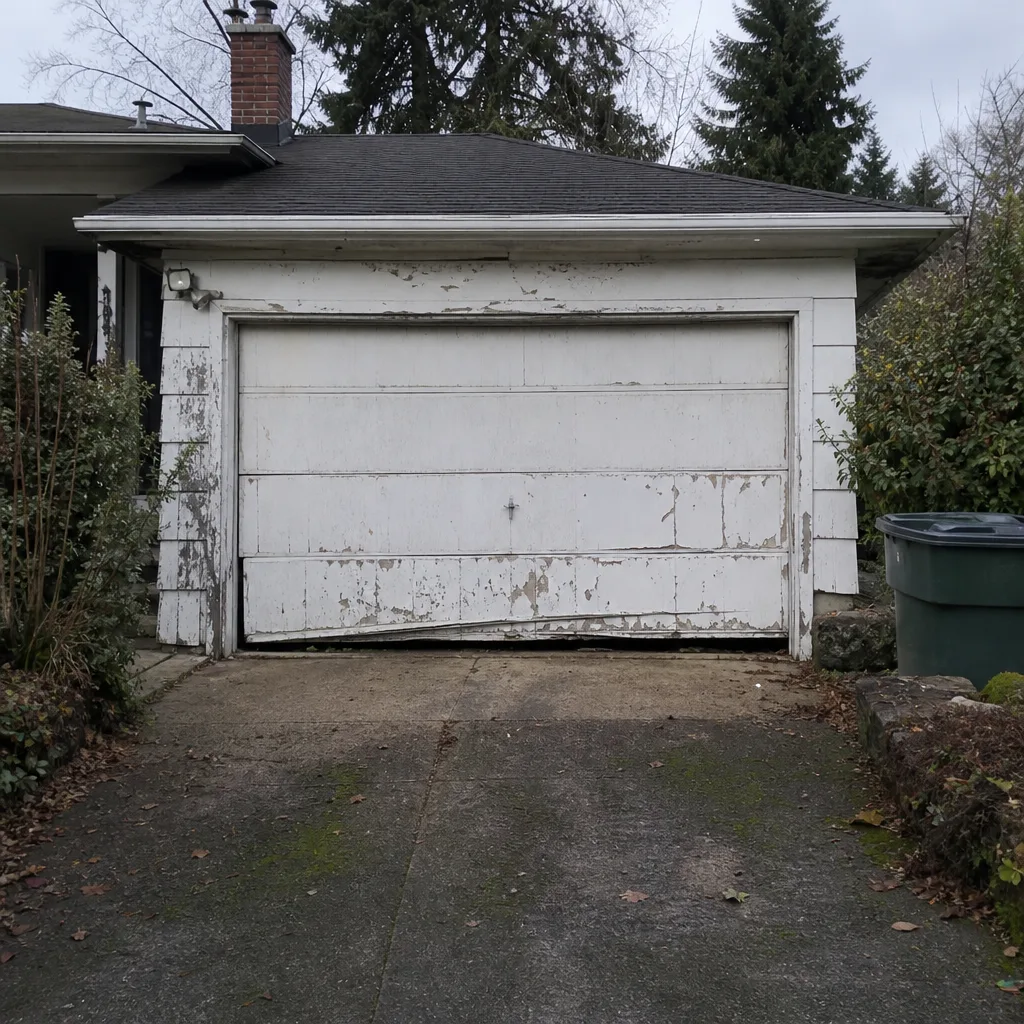 Before
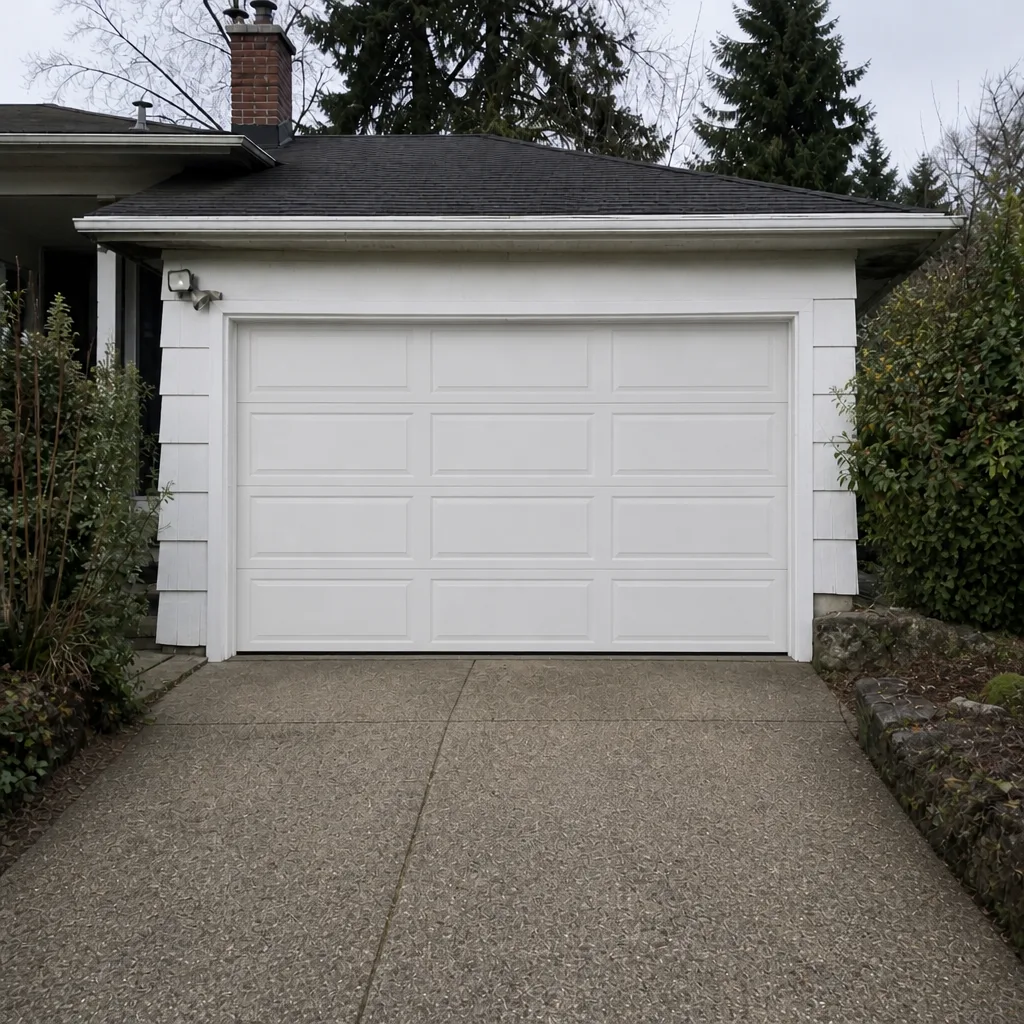 After
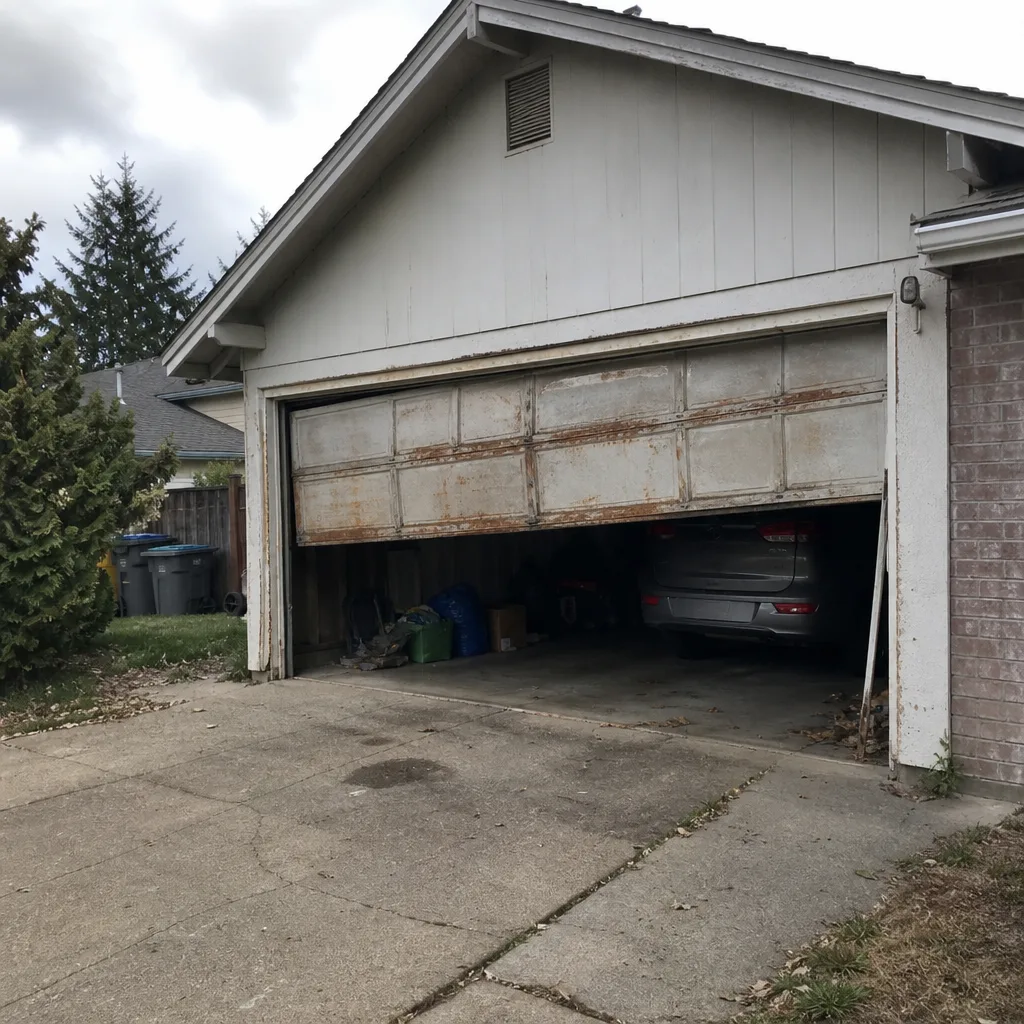 Before
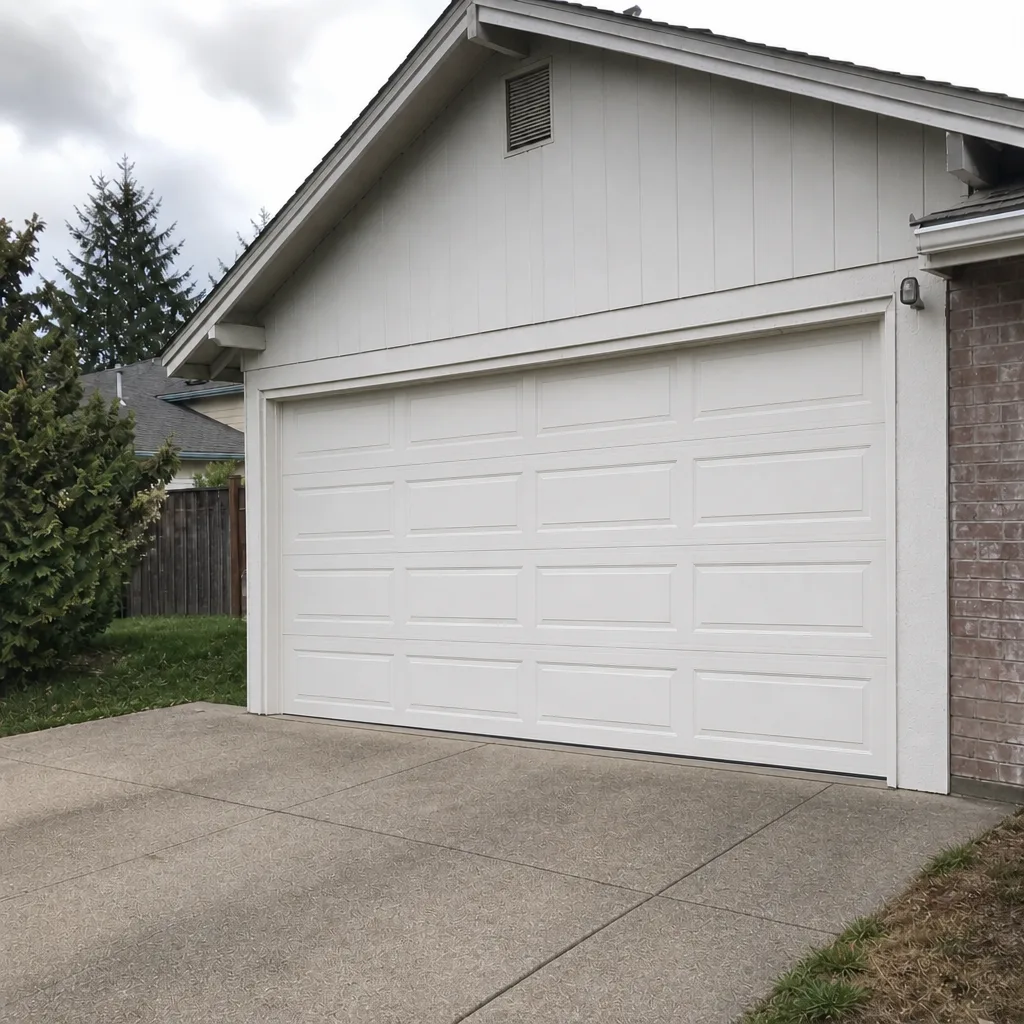 After
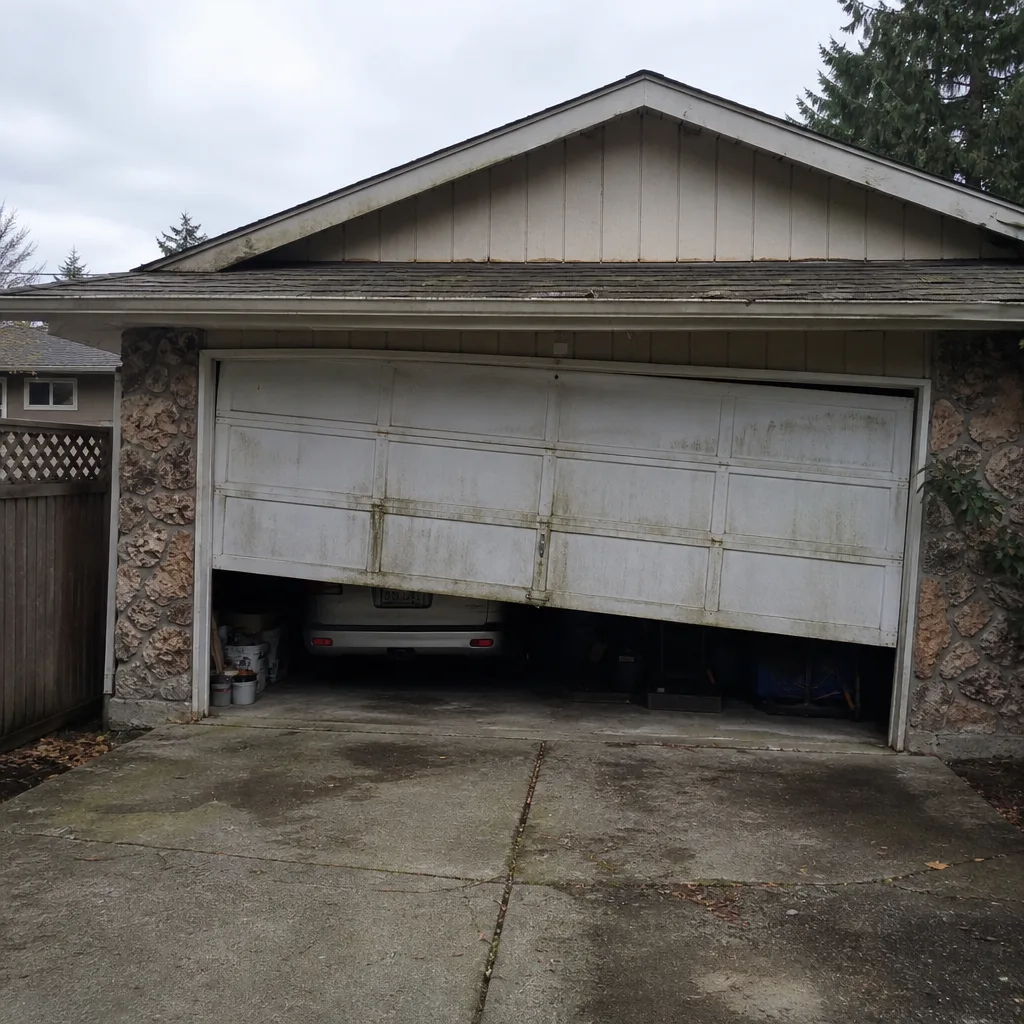 Before
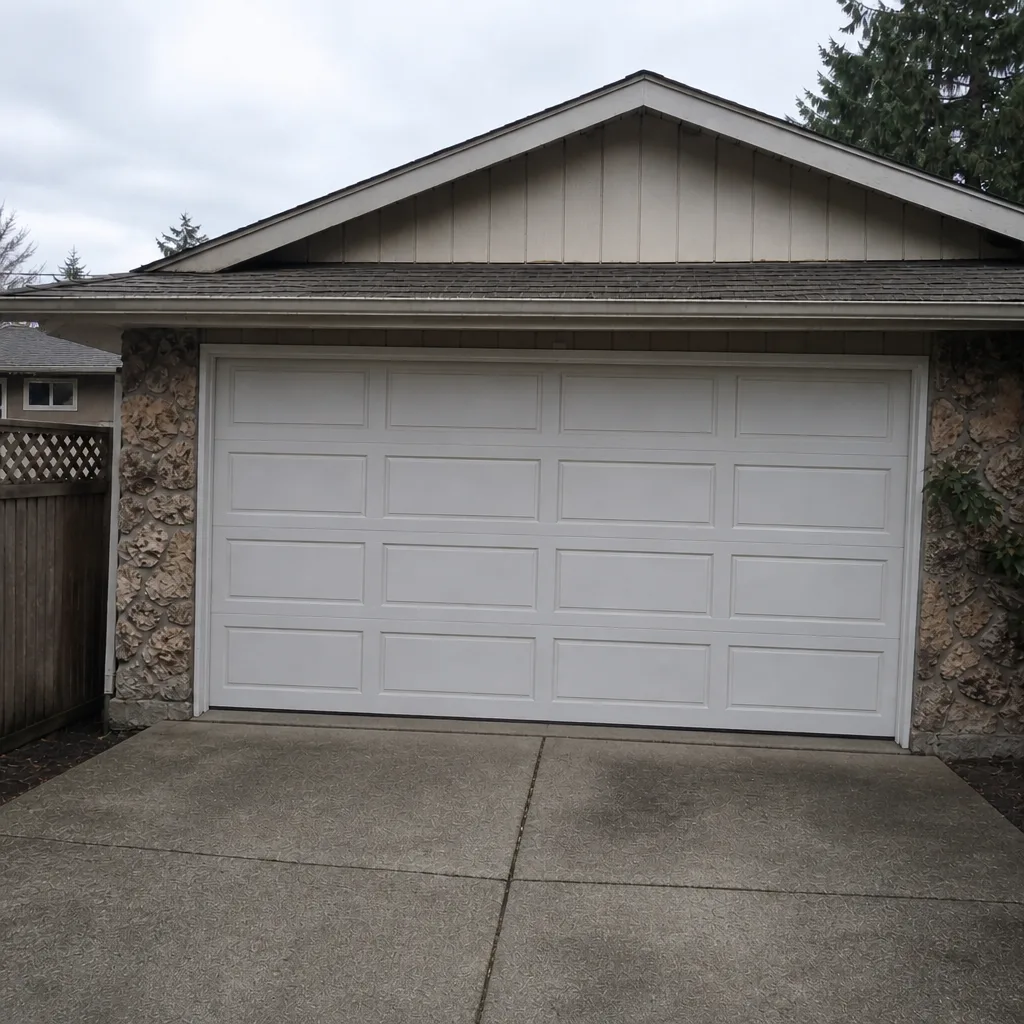 After
When to Call a Professional
Call a professional the moment you spot any Tier 1 sign, and don’t wait to see if it “settles.” If your door is stuck, won’t open, or has left your home unsecured, our emergency garage door service is built for exactly that moment, whether you have a LiftMaster opener that won’t run or a Clopay door that’s come off its track. For Tier 2 signals, an inconsistent opener or a worn roller set, schedule a call within two weeks rather than letting the strain land on bigger parts. And for Tier 3 signs, a routine inspection is the smartest way to keep a small issue from growing. Edmonds Garage Door Repair Pros offers free estimates in Edmonds – call (844) 651-9427 and we’ll book a specialist.
Frequently Asked Questions
A broken spring is the most urgent warning sign, followed closely by a frayed or bird-caged lift cable and a bent track section. These are the Tier 1 signs, and they mean the door should not be used until a specialist addresses them, because each can drop the door or send hardware loose. Keep the door closed and call for emergency service.
Probably not immediately serious, but the type of noise tells you what to check. Squealing usually means dry moving parts that need lubrication, while rattling points to loose hardware, both lower-urgency signals. Grinding or popping is more concerning and worth scheduling a service call for sooner, because those point to bearings, rollers, or cables. Call (844) 651-9427 for an exact quote on diagnosis – estimates are free.
Moisture-driven rust on the tracks and rollers is a common cause of a heavy-feeling door in Edmonds even when the springs are intact. The rust creates friction that the door has to overcome, which feels like weight. A specialist should check the tracks and rollers before recommending springs, since replacing healthy springs won’t fix a friction problem.
Look for the physical spring sign first: a clean gap in the torsion coil or a stretched extension spring means a broken spring. If the coil is intact and the door is still heavy, check the tracks for rust streaking and the rollers for flat spots. With the opener released, a spring problem feels heavy throughout the lift, while friction problems often feel heavy in patches. Call (844) 651-9427 for an exact quote – estimates are free.
No. We quote and agree the price before any work starts, so the written estimate is the price. An inspection may add detail to the diagnosis, but you’ll have a clear figure before anyone touches the door. If you want to confirm what a repair involves, call (844) 651-9427 for an exact quote – estimates are free.
Yes, because different brands fail in their own characteristic ways. A LiftMaster or Chamberlain unit often shows trouble through inconsistent travel and diagnostic codes, while a Craftsman opener may show a worn capacitor or gear as motor hesitation. A specialist who knows your exact brand checks the right parts first instead of guessing. Call (844) 651-9427 for an exact quote on a diagnosis – estimates are free.
The Bottom Line
Most garage door warning signs fall into three tiers, and the tier tells you how fast to act. Tier 1, a broken spring, a frayed cable, or a bent track, means stop using the door and call for emergency service. Tier 2, an inconsistent opener, worn rollers, or motor hesitation, means schedule a call within two weeks before the strain lands on bigger parts. Tier 3, rust scoring, weatherseal gaps, and slow misalignment, means monitor and plan. Sound is your fastest clue, and in Edmonds, moisture-driven rust on the tracks can mimic a spring problem, so check the tracks before replacing springs. The written estimate you agree to is the price, start to finish.
When you’re ready to have a specialist read your door’s signals, call (844) 651-9427 for a free estimate. Whether your door is stuck, noisy, or just past its best, Edmonds Garage Door Repair Pros can take it from a service call to a full installation.
Written by the team at Edmonds Garage Door Repair Pros.